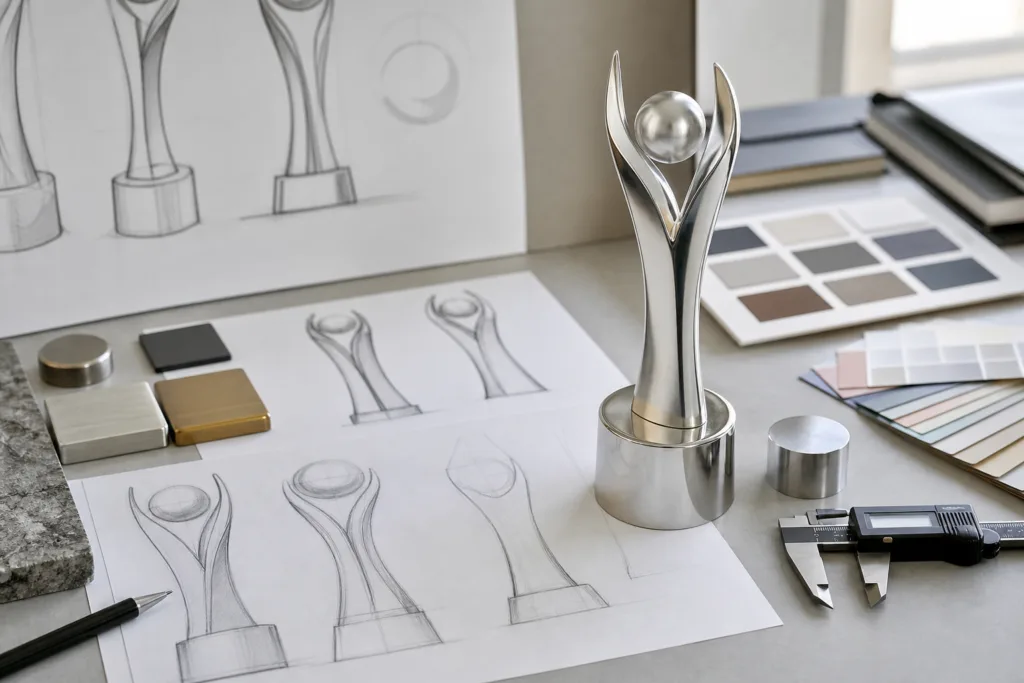
Choosing the right metal for a custom award is rarely a simple material debate. In many B2B programs, zinc alloy is considered when a trophy needs detailed die-cast geometry, consistent repeatability, and flexible decorative finishing. For buyers evaluating custom zinc alloy trophies, the better question is not whether zinc is universally better than other metals, but whether it fits the exact design, finish, quantity, and assembly plan of the project.
This article provides a practical screening framework for zinc alloy trophy applications. Instead of broad claims, it focuses on the issues procurement teams, designers, and sourcing managers actually need to confirm: shape complexity, relief depth, target weight, finish scheme, tooling logic, batch consistency, and reorder expectations. Because final suitability depends on approved drawings and production specifications, project-specific details such as tolerances, capacity, lead time, certification, and output planning must be confirmed with the manufacturer for the specific program.
What Buyers Usually Want From a Zinc Alloy Trophy
In custom award programs, common zinc alloy trophy applications include sports trophies, championship awards, commemorative toppers, emblem-forward recognition pieces, and corporate awards that use custom metal bodies or decorative cast components. Buyers often shortlist zinc alloy when the visual concept includes shaped silhouettes, raised logos, recessed lettering, layered borders, or sculpted motifs that would be harder to achieve through simpler fabrication routes.
From a B2B sourcing perspective, zinc alloy award suitability is usually assessed for four practical reasons.
- Detailed geometry: Buyers want clean outlines, defined relief, and repeat decorative features.
- Finish flexibility: Programs may require plated metal appearance, paint fills, antique effects, or multiple finish zones.
- Repeatability: Annual awards and multi-region rollouts need consistency from one production batch to the next.
- Assembly compatibility: The cast part may need to integrate with a stone, wood, resin, or metal base, plus inserts, plates, or emblems.
This is why zinc alloy is frequently evaluated for projects that need more shape complexity than flat-sheet fabrication or simpler formed parts can easily provide. Industry die-casting guidance from NADCA also supports the use of die casting for intricate shapes and repeatable production specifications in suitable applications: https://www.diecastingdesign.org/product-specifications-standards-for-die-castings.
That said, buyers should avoid assuming zinc is automatically correct just because a trophy looks premium in concept art. Final material selection should be confirmed from approved artwork, overall dimensions, structural needs, intended use, and finish expectations. A strong concept may still need geometry revision, part splitting, or a different mounting method before it becomes production-ready.
Geometry and Relief Detail That Suit Die Casting
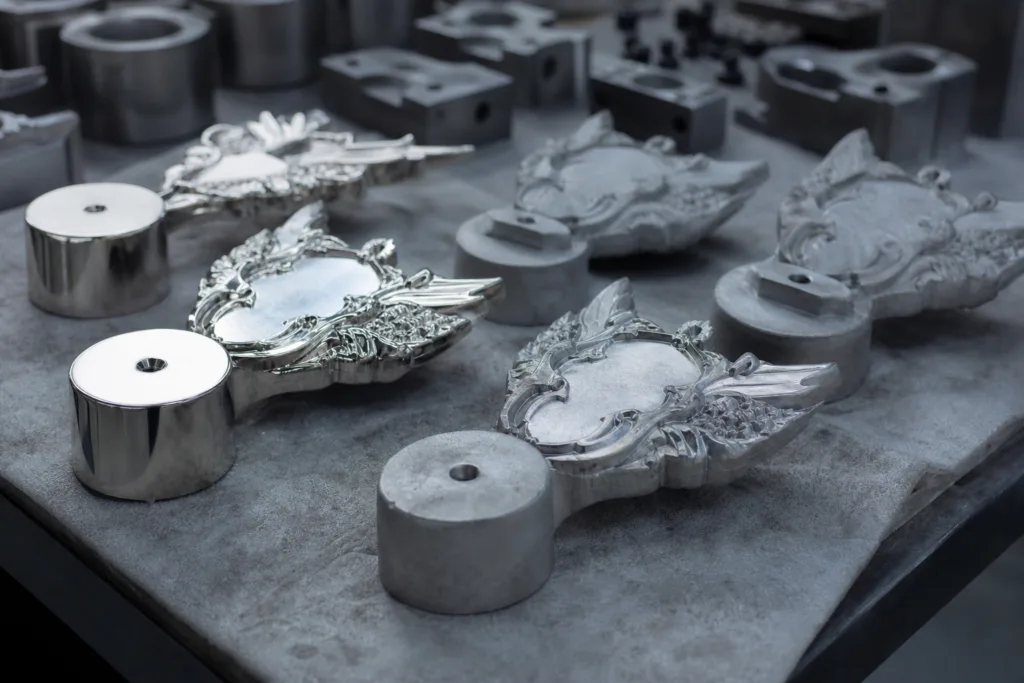
One of the strongest reasons to consider zinc alloy is its fit with die-cast trophy options that require complex silhouettes and visual depth. A cast approach can support raised and recessed logos, decorative borders, emblematic shapes, contour transitions, cutout areas, and repeat ornamental themes. When the design depends on a mold-defined shape rather than a flat profile, zinc alloy often moves onto the shortlist quickly.
For buyers reviewing zinc trophy design detail, several manufacturability points matter early.
- Undercut risk: Features that trap the part in the mold may require redesign or a multi-part solution.
- Very thin projections: Narrow points, spikes, or unsupported extensions may affect filling, durability, or finishing.
- Sharp corners: Extremely sharp transitions may not produce the visual result expected after polishing and plating.
- Open areas: Interior cutouts can work well, but their scale and edge treatment should be reviewed.
- Logo depth and text size: Fine lettering and shallow relief need to remain readable after finishing.
- Draft requirements: Die-cast parts generally need suitable release angles, which can influence edge appearance and side-wall geometry.
In practical terms, zinc alloy is often a good fit for trophies with medium-to-high detail density, especially where the front face must carry sculpted forms, repeated decorative elements, or layered visual information. Mold-based production helps maintain consistency when these details repeat across a batch or future reorders.
Buyers should also distinguish between visual detail and structural features. A striking front face may cast well, while the back side, base connection, or stand-up method may still need a separate component, hidden pin, support plate, or threaded connection strategy. In other words, a trophy can be ideal for zinc alloy on the display side but still require engineered assembly choices on the functional side.
To make review efficient, sourcing teams should provide vector artwork, 3D references where available, target size, key relief priorities, and intended mounting method. Early manufacturability review is especially useful when the trophy combines a decorative face with a custom base or mixed materials. Me Trophy can support that process through design evaluation support so geometry questions are addressed before tooling direction is finalized.
Where a project includes sculptural metal forms, embossed graphics, or repeat contour detail, the manufacturer should review whether the part is best made as one casting or split into multiple cast and assembled elements. That decision affects finish quality, assembly efficiency, and downstream packaging.
Weight, Wall, and Multi-Part Construction Considerations
Buyers often ask about zinc alloy trophy weight as if it were a fixed material answer, but in real projects weight is a design variable. The final hand-feel depends on part size, wall strategy, section thickness, hollow versus solid construction, base material, and how many components are assembled together. A heavier award may feel more substantial, but that must be balanced against handling comfort, stage presentation, freight sensitivity, and stability.
NADCA alloy guidance also indicates that zinc alloys are denser than some alternative die-casting materials, which helps explain why zinc awards can feel solid in hand when the geometry supports it: https://www.diecastingdesign.org/alloys. For procurement teams, the key point is not only density but the complete part architecture.
Ask these practical questions during concept review.
- Should the award feel notably substantial when presented by hand?
- Must it stand securely on a desk, shelf, or stage platform?
- Will shipping cost be sensitive for bulk zinc trophies across multiple destinations?
- Does the visual design suggest a large face that may be better supported by a base or rear structure?
- Could the same look be achieved through a hollow or multi-part construction instead of a fully solid section?
Large trophies often benefit from multi-part construction rather than forcing every feature into one cast body. This may include a large faceplate joined to a base, separate logos attached over a main body, layered decorative pieces, or mixed-material designs that combine cast metal with wood, stone, acrylic, or resin components. Multi-part construction can help with balance, finishing access, assembly control, and packaging efficiency.
Wall and section planning should always be reviewed from a die-casting perspective. Uniformity, local mass concentration, and connection design all influence casting behavior and finishing results. Exact structural recommendations, however, require supplier confirmation from drawings, dimensions, and assembly intent. Buyers should treat any early sample weight target as provisional until the design, wall plan, and base configuration are approved.
This is also where a manufacturer’s metal casting capabilities matter as a project-fit discussion, not as a generic sales point. The right partner should help determine whether the design can achieve the intended hand-feel and balance without creating avoidable production or logistics issues.
Compatible Plating, Paint, and Antique-Look Finishes
Finish planning is one of the most common reasons buyers choose zinc alloy. Many custom programs require more than a plain metal look. They may need bright electroplated appearance, matte or brushed-style visual effects where process-compatible, painted recessed areas, antique-style contrast, or multiple finish zones in a single award. Zinc alloy trophy finish options are often attractive because a die-cast part can combine relief detail with decorative finishing in a controlled way.
Typical finish directions for zinc alloy trophies include:
- Bright electroplated metal looks: often selected for gold-tone, silver-tone, nickel-tone, gunmetal, or similar decorative appearances.
- Antique-look treatments: useful when relief, text, and sculpted contours need visual depth and contrast.
- Paint fills: often applied to recessed logos, event marks, flags, or brand color accents.
- Multi-finish combinations: for example, plated body plus painted emblem areas or contrasting highlights.
- Mixed-material presentations: cast metal upper component with a separate base or inserted plaque.
Zinc alloy is commonly selected when decorative flexibility matters because cast detail can support visual separation between high and low areas. This is especially useful for programs where logos must remain legible, borders need contrast, or event graphics need color emphasis. For many buyers, finish planning is inseparable from material selection.
However, finish quality is not only about the material. Surface texture, relief depth, edge sharpness, polishing access, and assembly sequence all influence the final appearance. A deeply recessed logo may hold paint well in concept, but if the edges are too soft after finishing, readability may change. Likewise, a highly reflective plated surface can emphasize small surface variations that were less obvious on raw castings.
Where plating or decorative metal finishing is planned, early process alignment is important. The EPA technical guidance on electroplating and metal finishing also shows that plating outcomes depend on proper pretreatment and controlled process steps rather than on substrate choice alone: https://www.epa.gov/system/files/documents/2021-07/owm0022.pdf.
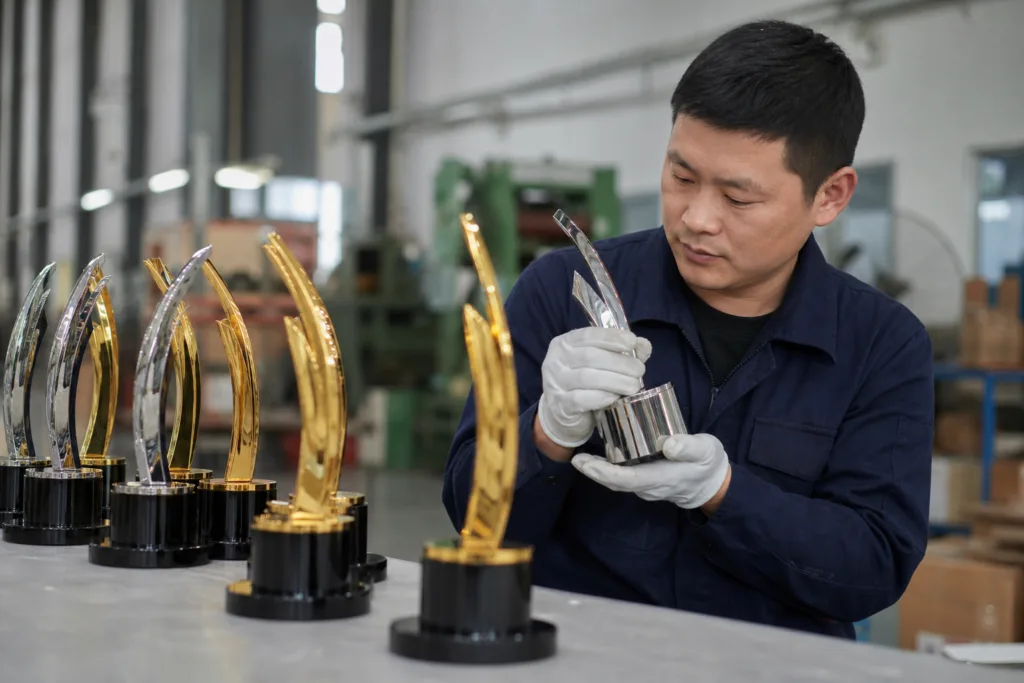
Buyers should therefore confirm finish combinations through sample review, not artwork alone. Questions to resolve include:
- Which areas must be bright, matte, antique, or painted?
- How should logos and text remain readable at final size?
- Are brand colors being matched visually or to a reference standard?
- Will assembly happen before or after certain finish steps?
- Are the base and metal component intended to contrast or visually match?
Me Trophy can review project requirements for electroplating finishes and related decorative options, but achievable finish combinations, adhesion performance, and approval criteria must be confirmed through samples and agreed production specifications for the project.
Quantity, Tooling, and Reorder Implications

Zinc alloy projects are closely tied to tooling logic. Because custom cast awards rely on mold development, project economics depend on design stability, expected quantity, and the likelihood of future reorders. This is why a trophy that is ideal in material and appearance terms may still need commercial review before final approval.
For buyers, the key questions are straightforward.
- Is this a one-time event award with no expected repeat?
- Is it part of an annual recognition program?
- Will the same base design be reused with changing dates, names, or event titles?
- Could this become a family of related designs for multiple regions or divisions?
When the answer points to repeat business, zinc alloy can become more attractive because mold-based production supports design consistency over time. That matters for league championships, recurring corporate awards, commemorative series, and distributor programs that need a stable visual identity.
For bulk zinc trophies, sourcing teams should also think beyond the cast part itself. Consistency expectations should include finish repeatability, assembly alignment, packaging protection, and version control for variables such as date inserts, engraved plates, event editions, and personalized components. The manufacturing plan should make clear which features are fixed in tooling and which are intentionally variable in downstream decoration or assembly.
Final recommendations on tooling path, sample sequence, and production planning always require confirmation from approved files and order structure. Buyers should align internal stakeholders early so the manufacturer is not asked to quote a recurring tooling-based program as if it were a purely one-off handmade sample, or vice versa.
This is also a useful point to revisit the pillar page for custom zinc alloy trophies when comparing whether the design and reorder plan justify a casting route. A project partner should help clarify not only how to make the award, but whether the expected lifecycle of the program supports that manufacturing choice.
Zinc Alloy Project-Fit Checklist
If you need a quick decision framework, use the checklist below to screen zinc alloy award suitability before requesting final pricing or tooling advice.
| Question | Why it matters |
|---|---|
| Does the design require fine relief, recessed details, sculpted contours, or repeated emblem features? | Zinc alloy is often well suited to molded visual detail and repeat shape definition. |
| Is mold-based repeatability important across a batch or future reorders? | Recurring programs benefit from stable tooling-based geometry. |
| Does the project need plating plus paint, antique effects, or multiple finish zones? | Finish flexibility is a common reason to shortlist zinc alloy. |
| Is the desired trophy weight aligned with user experience, base stability, and freight planning? | Weight should support presentation goals without creating avoidable logistics issues. |
| Will the design be a one-piece casting or a multi-part assembly? | Part splitting may improve manufacturability, finishing, and assembly control. |
| Is expected quantity high enough, or reorder probability strong enough, to evaluate tooling as part of the project plan? | Tooling logic is central to cast custom trophy decisions. |
| Are artwork, dimensions, base requirements, finish references, and packaging needs ready for supplier review? | Incomplete inputs lead to weak suitability assessments and unreliable quotations. |
Before sending an RFQ, buyers should prepare a basic specification package including:
- 2D artwork and, if available, 3D reference files
- Overall size and target display orientation
- Logo, lettering, and readability priorities
- Finish references and color references
- Base material preference and mounting concept
- Estimated quantity and reorder expectation
- Destination market and export needs
- Packaging requirements, including protection and presentation goals
This preparation makes engineering review more useful and helps the manufacturer identify whether zinc alloy is the correct route, whether the design should be adjusted, or whether an alternate material should be considered. If you are assessing a custom zinc alloy trophy program, Me Trophy can review specifications from the perspective of design fit, mold development, casting, finishing, assembly, and export coordination. The goal is not to force a material choice, but to confirm manufacturability and project fit before production decisions are locked in.
Conclusion
Zinc alloy is usually the right material when a custom trophy needs detailed die-cast geometry, consistent replication, and flexible decorative finishing within a tooling-based production route. It is especially relevant when the design includes relief detail, shaped forms, repeat program logic, and a finish scheme that combines metal appearance with contrast accents or antique depth.
But the right decision depends on specifics. Approved artwork, dimensions, finish plan, assembly structure, target weight, and quantity scenario all need to be confirmed before final material selection. For buyers who want a practical material-fit review rather than generic promotion, Me Trophy can assess the specification package and provide manufacturing feedback for custom trophy development.
Frequently Asked Questions
1. When are zinc alloy trophy applications most appropriate?
Zinc alloy is often appropriate when a custom trophy needs detailed die-cast geometry, repeatable production, and decorative finish flexibility. Typical examples include sports awards, championship trophies, emblem-heavy recognition pieces, and corporate awards with shaped metal components. Final suitability should be confirmed from the approved design, size, finish, and assembly plan.
2. Does zinc alloy support fine logo and text detail on custom awards?
It often does, especially for raised and recessed features produced through die casting. However, text size, relief depth, draft, edge sharpness, and finishing steps all affect readability. Buyers should submit artwork and target dimensions for manufacturability review before approving tooling.
3. How should buyers think about zinc alloy trophy weight?
Weight should be treated as a project variable, not just a material trait. Final feel depends on size, wall design, hollow or solid construction, base choice, and assembly method. The preferred weight should align with presentation feel, stability, and freight planning.
4. What finish options are commonly considered for zinc alloy trophies?
Common options include bright electroplated looks, antique-style finishes, painted recessed areas, and multi-finish combinations. The best finish plan depends on the relief design, brand color needs, and how different components will be assembled. Achievable finish combinations should be confirmed by sample approval.
5. What should a buyer prepare before asking a manufacturer to confirm zinc alloy award suitability?
Provide 2D or 3D artwork, overall size, display orientation, logo and text requirements, finish references, color references, base preference, estimated quantity, reorder expectation, destination market, and packaging needs. This allows the manufacturer to review geometry, tooling logic, finishing compatibility, and assembly structure more accurately.