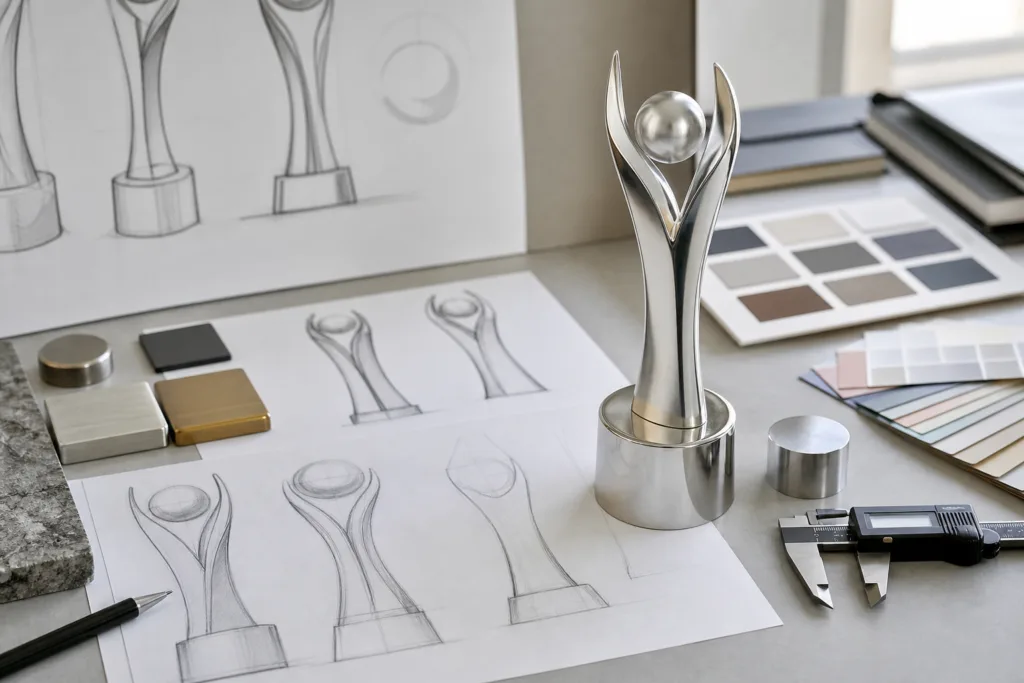
ODM Trophy Development for Custom Metal Awards
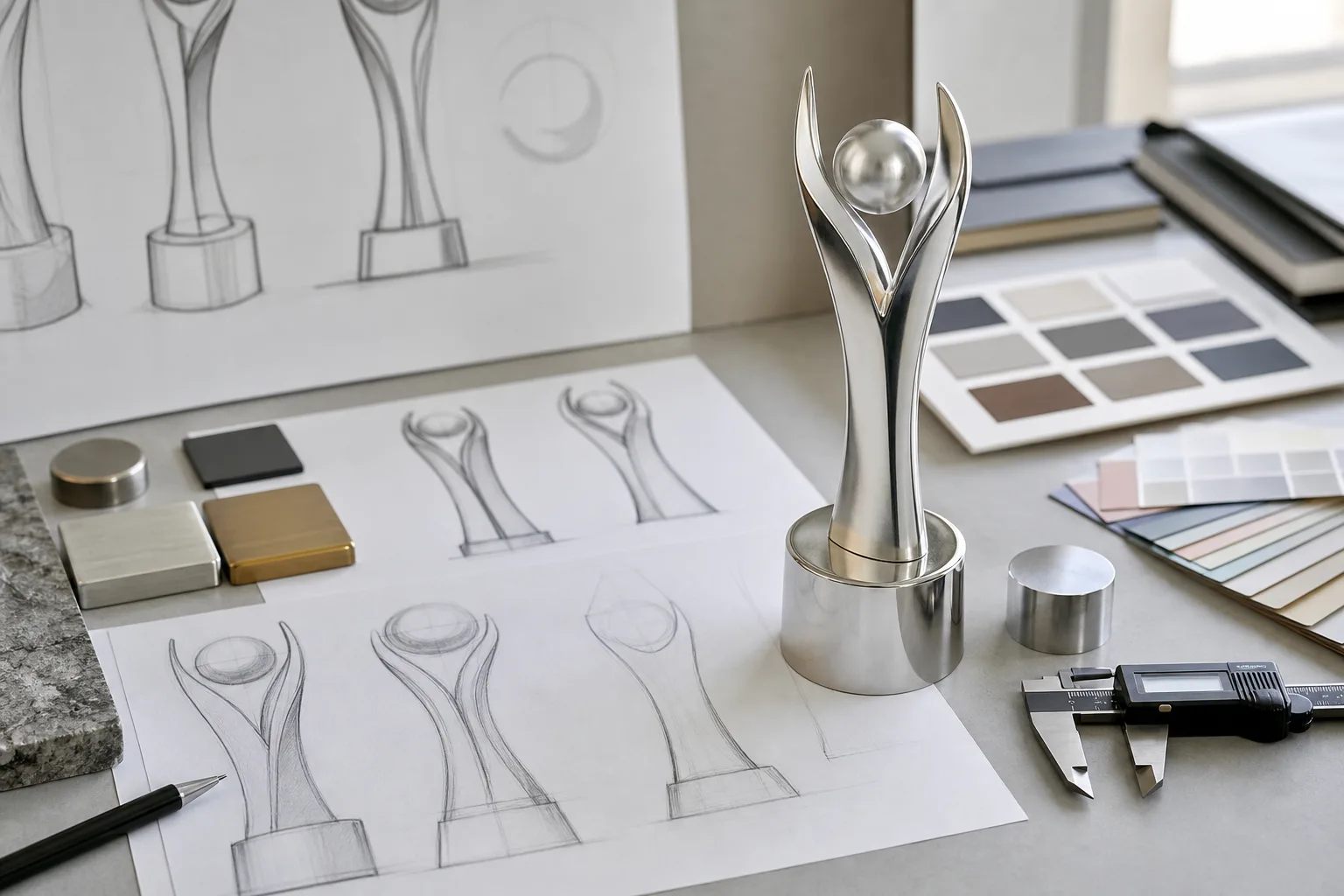
CONCEPT SCOPE
What ODM Trophy Development Can Cover
ODM development is suitable when a buyer has a product direction but does not yet have a complete production specification. The objective is to translate the concept into decisions that can be evaluated, sampled, approved, and used for production planning.
Depending on the project, support can include:
- Reviewing reference images, sketches, brand guidelines, or written concepts
- Evaluating trophy shape, dimensions, balance, assembly, and mold feasibility
- Discussing metal material, surface finish, painted details, engraving, and nameplates
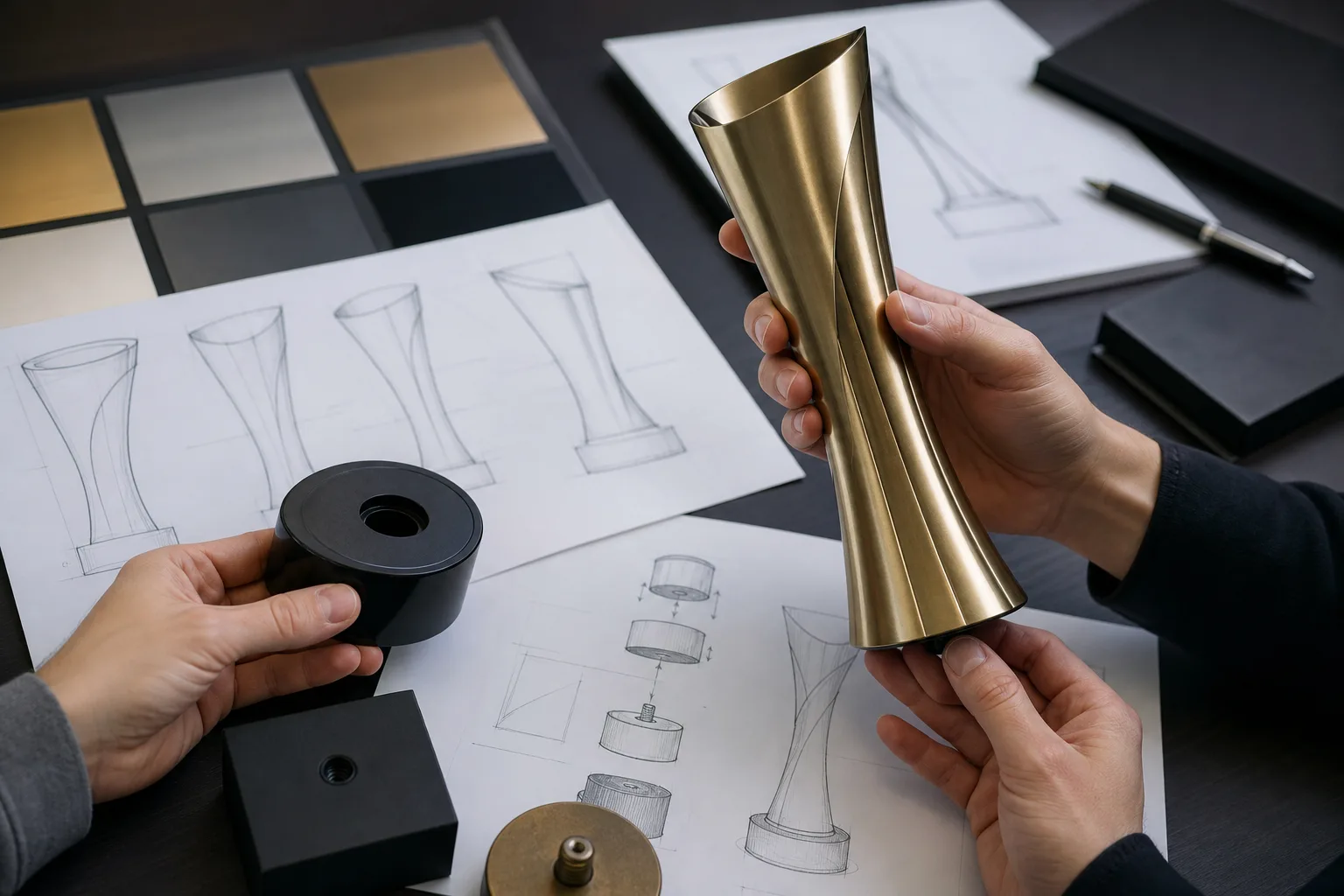
- Planning the connection between the metal body, decorative parts, and trophy base
- Preparing a sample route and identifying approval checkpoints
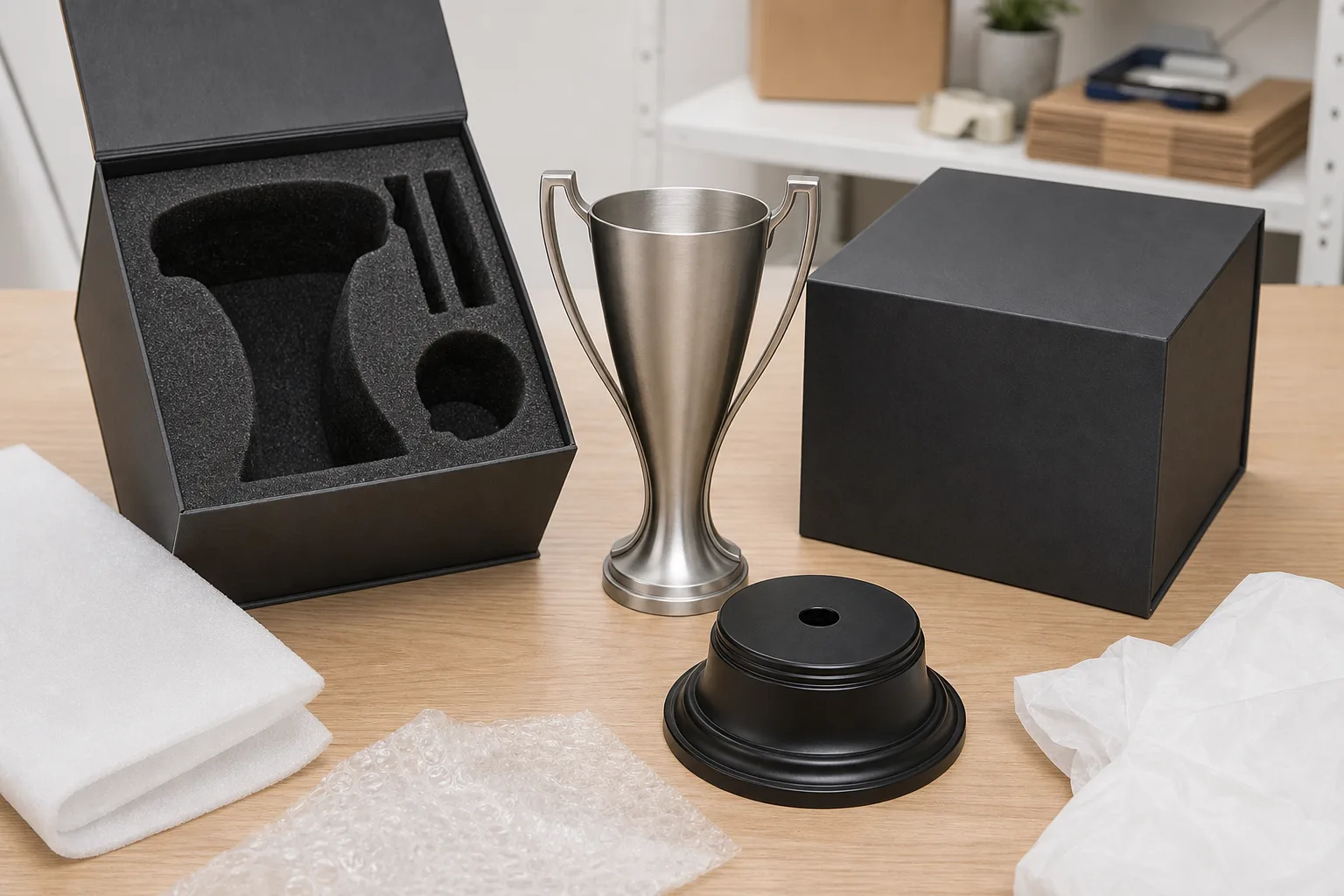
- Reviewing packaging requirements for presentation, protection, private labeling, or export delivery
Buyers who need focused help with artwork and appearance can also review the custom trophy design process. If a complete production-ready design and specification already exist, OEM trophy manufacturing may be the more direct service path.
BUYER SCENARIOS
Common ODM Trophy Project Scenarios

01
A New Award for an Event or Recognition Program
An event organizer may have a theme, event identity, award levels, and presentation date but no final trophy structure. The key decisions include whether all award levels share one body design, how winners are differentiated, what personalization data will change, and whether the proposed appearance is practical within the budget and schedule.
02
A New Product Line for a Distributor or Private-Label Buyer
A distributor may want a distinct trophy range that can be reordered for different customers. The buyer needs to define target selling position, preferred size range, replaceable personalization areas, packaging format, and which features must remain consistent across repeat orders.
03
A Concept Based on a Reference Product
A buyer may use a reference image to explain proportions or style. The reference should guide the discussion rather than be copied without review. Structure, dimensions, branding, and protected design elements must be evaluated before a new specification is prepared.
SPECIFICATION DECISIONS
Define the Specification Before Tooling or Sampling
ODM trophy development becomes more efficient when the main specification areas are discussed early.
- Use and presentation: Explain the event, recognition program, sales channel, or award category.
- Size and structure: Define approximate height, width, weight expectations, freestanding stability, detachable parts, and base arrangement.
- Material and process: Discuss the desired appearance and allow mold feasibility, casting requirements, finish options, and cost targets to guide material selection.
- Surface appearance: Identify electroplating finishes, painted areas, polished or brushed effects, and any color references that require sample review.
- Branding and personalization: Separate fixed artwork from variable names, rankings, dates, or event data.
- Quantity and reorder plan: State the initial quantity, possible future demand, and whether the design needs reusable or replaceable personalization components.
- Packaging: Define presentation expectations, protection needs, label requirements, and any private-label elements.
These choices affect mold needs, sample scope, unit pricing, MOQ discussion, packaging, and production lead time. Final recommendations remain subject to the approved specification and current order schedule.
DEVELOPMENT WORKFLOW
A Checkpoint-Based Path to Production
- Brief review: Me Trophy reviews the intended use, reference material, target quantity, budget direction, deadline, and packaging needs.
- Feasibility discussion: The project team identifies open questions involving shape, dimensions, material, casting, assembly, finish, personalization, and base structure.
- Specification development: The agreed direction is organized into a clearer product specification for buyer review.
- Mold planning: If a new tool is required, the structure and relevant details are reviewed before proceeding with mold development.
- Sample approval: A sample route is confirmed based on the project. Buyers can review the sample production service for appearance and specification checkpoints.
- Production and QC planning: Production proceeds only after the applicable specification, sample, personalization method, packaging, and commercial terms are confirmed.
Changes made after mold work or sample approval can affect price and timing. Any fixed event date should therefore be disclosed at the start of the inquiry.
QUOTE PREPARATION
Information That Helps Us Evaluate Your Trophy Concept
A complete engineering drawing is not required for an initial discussion, but clear project inputs reduce assumptions. Prepare as much of the following information as possible:
- Sketches, reference images, or available artwork files
- Intended application and target buyer or recipient
- Approximate dimensions and preferred trophy structure
- Desired metal appearance, colors, engraving, nameplate, or other personalization
- Estimated quantity and possible reorder requirements
- Base preference and packaging expectations
- Target budget direction, if available
- Required delivery date and event date, if applicable
- Destination country for delivery coordination
Use the trophy design upload page to submit available concept files. Pricing depends on artwork, size, material, quantity, surface finish, accessories, personalization, mold requirements, and packaging. Regular custom products are usually available from one piece, but the exact MOQ for an ODM project depends on its structure and production requirements.
DEVELOPMENT RISKS
Reduce Rework Before Production
01
Approving Appearance Without Confirming Structure
A front-view image may not show thickness, balance, rear details, assembly points, or base connections. Review the trophy as a physical object rather than as a flat graphic.
02
Leaving Variable Data Until the Final Stage
Names, award levels, dates, and rankings should be organized in a consistent format. Late or incomplete nameplate data can interrupt engraving, assembly, inspection, and packing plans.
03
Treating Color References as Final Production Approval
Screen colors and reference photographs may not represent a physical finish accurately. Appearance-sensitive projects should use an agreed sample or other confirmed reference before production.
04
Ignoring Packaging During Product Development
Trophy dimensions, detachable parts, surface sensitivity, and presentation requirements can influence the packaging structure. Packaging should be reviewed before the final product specification is locked.
05
Using Artwork Without Authorization
Buyers should confirm authorization before submitting or producing trademarks, logos, team names, school marks, association marks, event marks, or government and military graphics. Reference products should also be reviewed for third-party design rights.
NEXT STEP
Send the Concept for an Initial Review
Share your reference material, project purpose, approximate dimensions, quantity, appearance requirements, packaging needs, and schedule. Me Trophy can review the available information, identify specification questions, and discuss a suitable development and quotation path.
The next step is to request an ODM trophy quote with the files and project details currently available.
BUYER QUESTIONS
Frequently Asked Questions
What is the difference between ODM trophy development and OEM manufacturing?
ODM development is generally suited to buyers who have a concept or product direction but need help defining the production specification. OEM manufacturing is more suitable when the buyer already has approved artwork, dimensions, materials, finishes, and other production requirements.
What files can I submit for an ODM trophy project?
You can submit available sketches, reference images, drawings, artwork, color references, brand guidelines, or written requirements. The files will be reviewed for feasibility, missing information, and potential intellectual-property concerns.
Is a physical sample required before bulk production?
The appropriate sample route depends on the trophy structure, finish, mold requirements, quantity, and buyer approval needs. Appearance-sensitive or newly developed designs usually benefit from a defined sample approval checkpoint before bulk production.
What is the MOQ for an ODM trophy?
Regular custom products are usually available from one piece, but the exact MOQ depends on size, structure, material, process, mold needs, personalization, and packaging. A newly developed design may also require a practical quantity discussion based on its production route.
How long does ODM trophy development take?
Timing is project-specific. It depends on the completeness of the brief, design revisions, mold requirements, sample approval, finish complexity, quantity, packaging, and the current order schedule. Tell Me Trophy about any fixed event date at the beginning of the inquiry.
Can my logo or event mark be included in the trophy design?
Logo engraving, nameplates, relief details, or painted branding can be evaluated based on the design and process. The buyer should confirm authorization for all trademarks, logos, event marks, school marks, association marks, team names, and other protected graphics before production.