
Production Lead Time for Custom Metal Trophies
Custom trophy production lead time depends on the approved design, mold requirements, finish, personalization, quantity, packaging, and current order schedule. This page helps event organizers, procurement teams, distributors, and private-label buyers identify the decisions that can affect timing. Share your specifications and required delivery date to receive a project-specific schedule assessment. Request a custom trophy quote or upload your trophy design for review.
SCHEDULE BASICS
A Project Schedule Starts with Confirmed Specifications
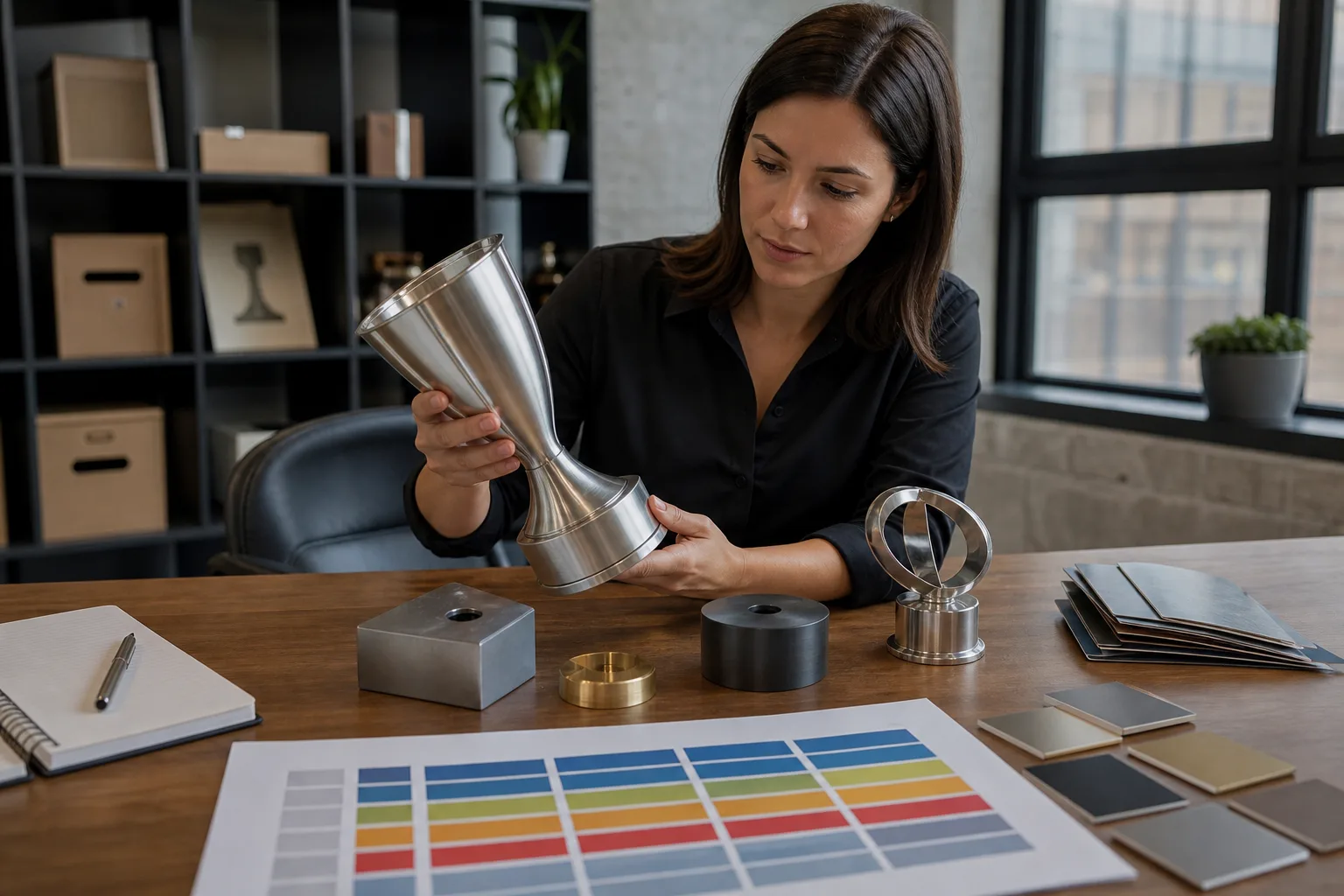
There is no single lead time that applies to every custom metal trophy. A new design that requires mold development follows a different path from a repeat order based on an approved specification. Detailed painted areas, electroplating finishes, individual names, special bases, and custom packaging can also add approval or production steps.
The working schedule should be reviewed after the main specifications are defined. Me Trophy can assess the production path based on the submitted files, required quantity, sample needs, packaging requirements, requested delivery date, and current order schedule. Buyers with a fixed event date should state it at the start of the inquiry rather than after design approval.
SPECIFICATION REVIEW
Factors to Confirm Before Scheduling Production
| Specification Area | Decision to Confirm | Possible Timing Effect |
|---|---|---|
| Design and structure | Dimensions, shape, component count, base structure, and assembly method | Complex structures may require additional feasibility review or revisions. |
| Mold requirements | Whether a new mold is needed or an approved mold can be reused | New mold development introduces tooling and approval checkpoints. |
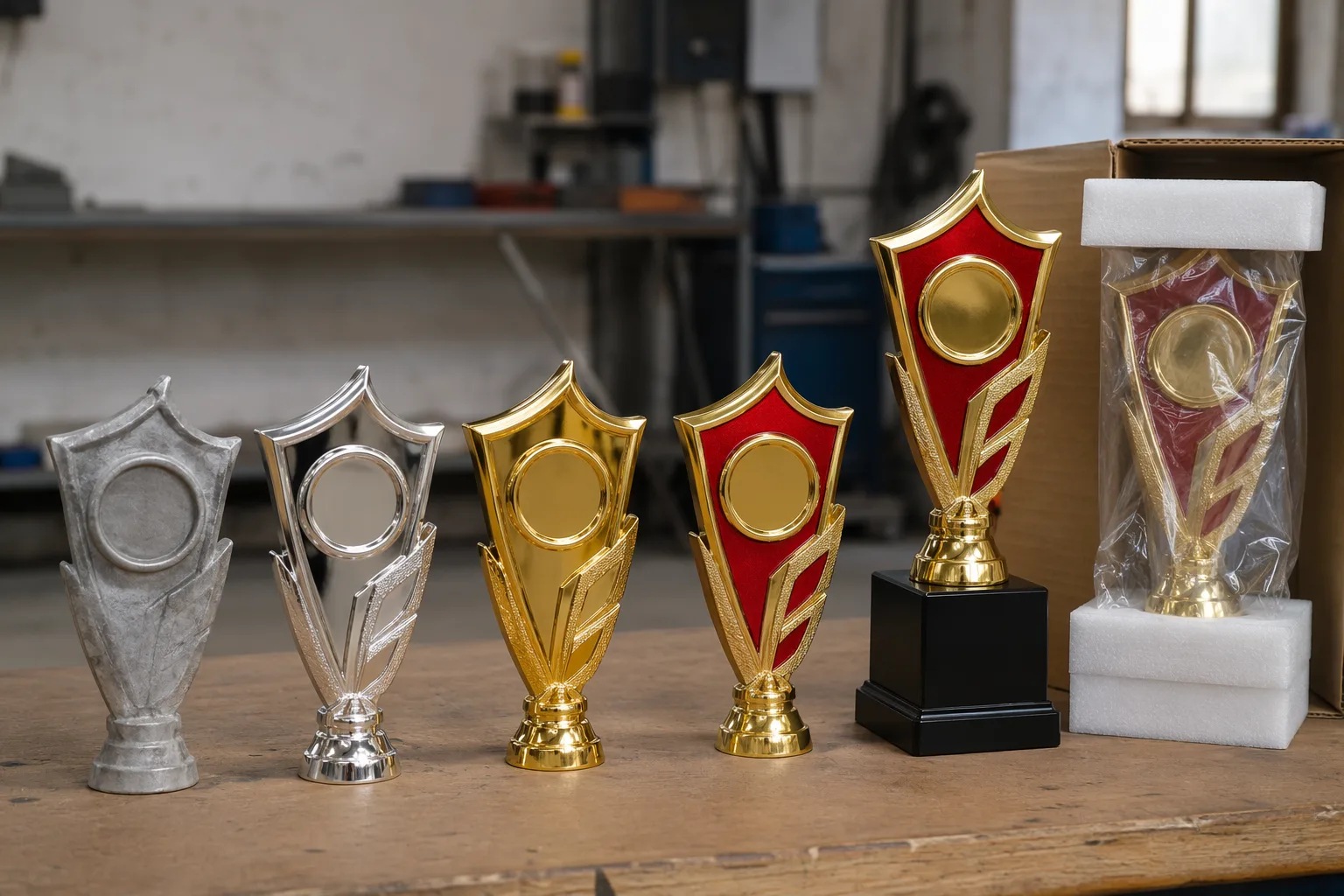
| Surface finish | Electroplating color, painted details, texture, polishing, and finish combinations | Multiple finishes or detailed color areas may require more process coordination. |
| Personalization | Logo engraving, nameplates, individual names, numbering, or award levels | Late or changing data can delay artwork approval and assembly. |
| Sample plan | Whether a physical sample is required before bulk production | Sample production and buyer review become separate schedule stages. |
| Packaging | Individual protection, box type, inserts, labels, and private-label requirements | Custom packaging may require additional artwork, sourcing, and approval. |
Early-stage buyers can use the custom trophy design process to clarify artwork, structure, and feasibility before requesting a production schedule.
APPROVAL STEPS
Build the Schedule Around Decisions, Not Only Manufacturing
A useful timeline includes buyer approvals as well as production activities. The exact sequence can vary by trophy structure and specification, but a project may follow these checkpoints:
- Submit artwork, dimensions, quantity, finish preferences, personalization requirements, packaging details, destination, and required delivery date.
- Review design feasibility, production method, potential mold needs, and areas requiring clarification.
- Confirm the quotation, approved specification, artwork, and planned production route.
- Complete mold development when the approved design requires new tooling.
- Arrange sample production and approval when a physical sample is part of the project plan.
- Proceed with bulk manufacturing based on the approved specification and current order schedule.
- Complete assembly, packaging, and relevant quality control checkpoints before delivery coordination.
A requested change after artwork, mold, sample, or finish approval may affect both cost and timing. The revised schedule should be confirmed before the change is accepted.
BUYING SCENARIOS
Match the Timeline to the Procurement Situation
01
Event Awards with a Fixed Presentation Date
An event organizer should provide the event date, required arrival date, trophy quantity, award levels, personalization data, and destination at the beginning. The main decisions are whether a new mold is necessary, whether a physical sample is required, when recipient data will be final, and how much review time stakeholders need. A requested date can be assessed, but delivery should not be treated as guaranteed until the specification and schedule are confirmed.
02
Distributor or Private-Label Repeat Supply
A distributor planning repeat orders should identify which design, finish sample, packaging artwork, and personalization format will serve as the approved reference. The buyer must also decide whether the next order repeats the same specification or introduces changes. Consistent files and controlled revision records can reduce avoidable clarification, while any new structure, finish, accessory, or packaging requirement should receive a fresh timing review.
DELAY RISKS
Reduce Schedule Risk Before Approval
- Do not submit only a low-resolution reference image when dimensions, artwork, and structure are still undefined.
- Do not assume that a visual concept is automatically suitable for casting, finishing, engraving, or assembly.
- Finalize names, numbering, award levels, and nameplate data before the agreed data deadline.
- Allow time for internal stakeholder review instead of treating buyer approval as immediate.
- Do not change dimensions, finish combinations, bases, accessories, or packaging after approval without requesting a revised schedule.
- Confirm authorization before submitting trademarks, team names, school marks, association marks, event marks, or government or military graphics for production.
- Distinguish production completion from transport time and destination delivery requirements.
Schedule risk is lower when one buyer contact controls file versions, consolidates feedback, and confirms approvals in writing.

INQUIRY DETAILS
Information to Include with Your Inquiry
For a more useful production lead time review, prepare:
- Design file or clear reference images;
- Target dimensions and preferred base structure;
- Metal material or manufacturing preference, if already selected;
- Electroplating, painted color, texture, and engraving requirements;
- Order quantity and the number of award levels or design variations;
- Personalization data requirements and the expected date of final data;
- Sample approval requirements;
- Packaging and private-label requirements;
- Destination and required arrival or event date;
- Any fixed internal approval checkpoints.
Me Trophy will review the information and discuss timing subject to design feasibility, approvals, production requirements, and the current order schedule. Request a custom trophy quote and production schedule assessment as the next step.
BUYER QUESTIONS
Frequently Asked Questions
What is the production lead time for a custom metal trophy?
Timing is project-specific. It depends on design readiness, mold needs, quantity, finish, personalization, sample approval, packaging, buyer response time, and the current order schedule.
Does a new trophy mold affect the schedule?
Usually, yes. A new mold adds tooling, review, and approval stages. The effect on timing must be assessed after the trophy structure and production method are reviewed.
Does requesting a physical sample add time before bulk production?
A physical sample creates separate production, inspection, delivery, and buyer approval checkpoints. Bulk production timing should therefore be planned around the sample decision and approval process.
Can Me Trophy meet a fixed event date?
Buyers should provide the event date, required arrival date, destination, and complete specifications at the start of the inquiry. Feasibility remains subject to approval timing, production requirements, delivery arrangements, and the current order schedule; delivery is not guaranteed.
Can personalization data be provided after production starts?
The acceptable data deadline depends on the engraving, nameplate, assembly, and packaging plan. Late or revised names, numbers, or award levels may affect the schedule and should be reviewed before submission.
What files are needed for a production lead time assessment?
Provide available artwork or reference images, dimensions, quantity, finish preferences, personalization details, packaging requirements, destination, and required date. Missing details may limit the accuracy of the initial assessment.