
Private Label Trophy Supply Project Planning
This project-planning framework explains how private-label buyers can prepare a made-to-order metal trophy program, from design evaluation and sample approval to branded packaging and repeat-order control. It is intended for distributors, promotional gift companies, e-commerce sellers, importers, and sourcing teams. To discuss a defined project, request a custom trophy quote with your artwork, quantity, finish, packaging, and delivery requirements.
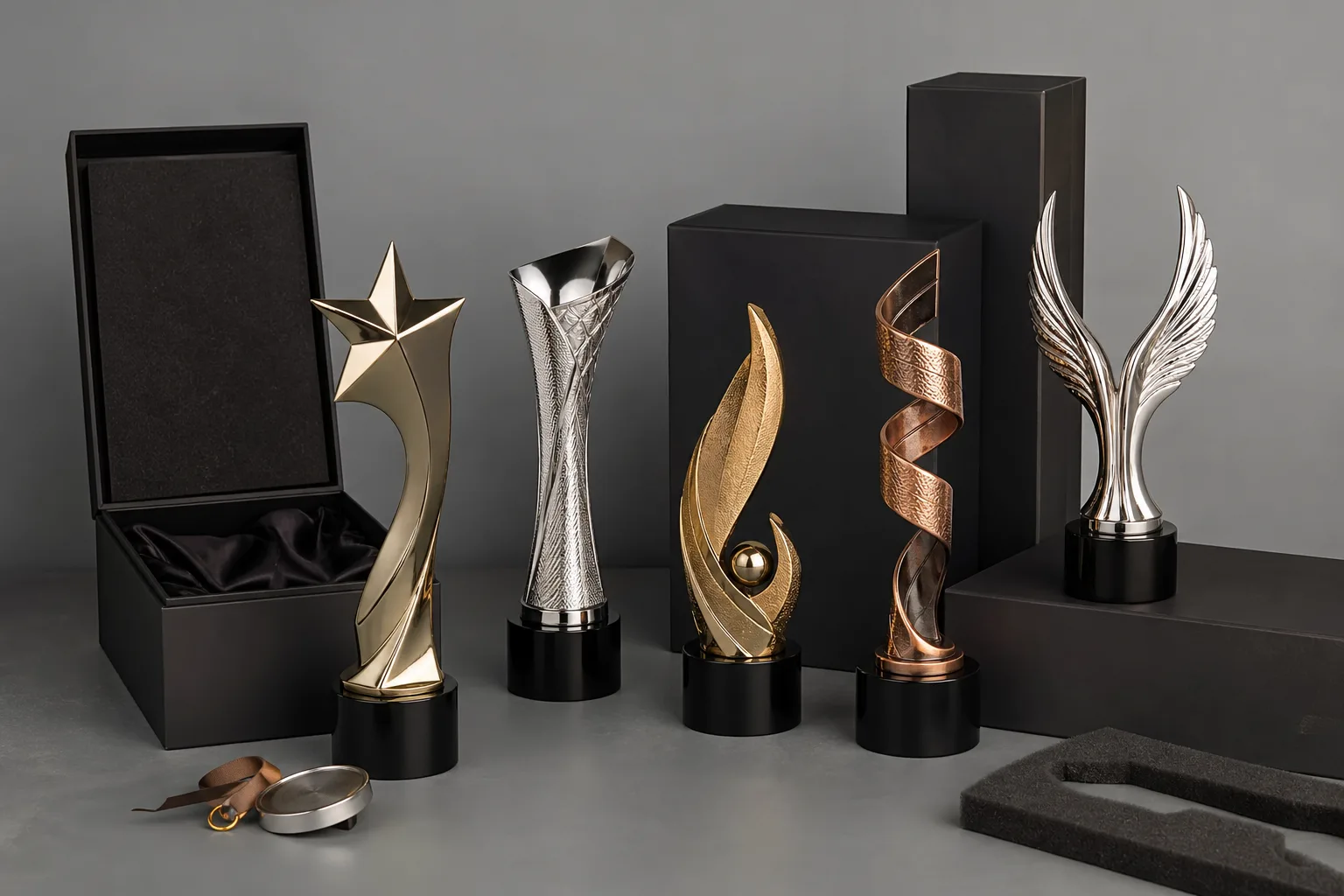
PROJECT CONTEXT
A Planning Model, Not a Published Customer Case
No customer identity, order quantity, delivery result, or other completed-project evidence has been supplied for publication. This page therefore presents a planning framework rather than claiming a specific project outcome. It can help buyers identify decisions, approval points, and supply risks before placing a private-label trophy order.
A private-label program usually involves more than adding a logo. The buyer may need to define the trophy structure, finish, personalization method, retail or transit packaging, product identification, and reorder records. Each requirement should be reviewed against the approved specification and current order schedule.
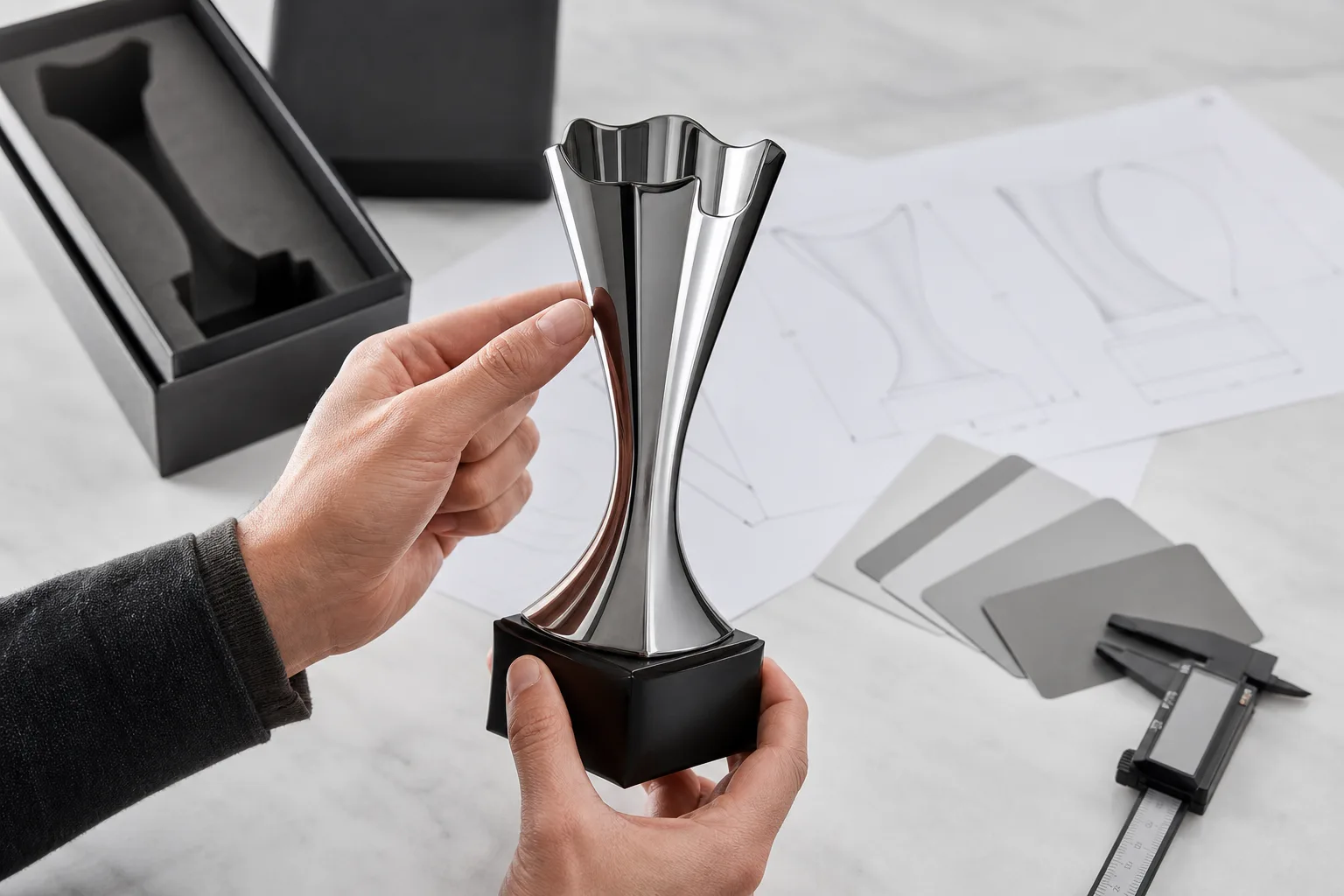
BUYER SCENARIOS
Match the Supply Plan to the Sales Model
01
Distributor or Wholesaler Building a Repeat Range
A distributor may need a stable core design that can be reordered for different events or customers. Key decisions include which components remain standard, which details can change, how nameplate data will be supplied, and what reference information should be retained for reorders. Buyers can review the scope of OEM trophy manufacturing when working from an established specification.
02
E-Commerce or Promotional Buyer Preparing a Branded Product
An e-commerce seller or promotional gift company may place greater emphasis on presentation, unboxing, product protection, and SKU separation. Decisions may include inner protection, outer carton requirements, accessory organization, and where authorized branding may appear. Review private-label packaging options before confirming the pack-out specification.
SPECIFICATION
Define the Product Before Confirming Supply
| Specification Area | Buyer Decision | Why It Matters |
|---|---|---|
| Trophy design | Shape, size, structure, base, and assembly method | These details affect mold feasibility, stability, packaging, cost, and timing. |
| Appearance | Metal finish, painted details, engraving, and approved brand placement | Clear visual references reduce interpretation differences during sampling. |
| Personalization | Fixed artwork, variable names, award levels, or event data | Variable data needs an agreed file format and checking responsibility. |
| Packaging | Protection, presentation, labels, accessories, and carton organization | The pack-out should suit the trophy structure and intended sales channel. |
| Reorder control | Approved sample, specification record, color reference, and version naming | Controlled records help identify which version should be reproduced. |
Regular custom products are usually available from one piece, but the exact MOQ depends on structure, size, material, process, mold needs, and packaging. Pricing also depends on artwork, quantity, finish, accessories, personalization, and packaging.
APPROVAL STEPS
Build Checkpoints into Private Label Trophy Supply
- Submit the concept, dimensions, target quantity, intended branding, packaging needs, and required delivery location or event date.
- Review design feasibility, material and finish options, base structure, mold needs, personalization, and packaging scope.
- Confirm the quotation basis, responsibilities, artwork version, and conditional production schedule.
- Arrange sample production when appearance, fit, assembly, or packaging needs physical approval.
- Record sample feedback and approve the final specification before bulk production.
- Apply agreed inspection checkpoints during production, assembly, packing, and order release. Buyers can review the general quality control process when defining project requirements.
- Retain approved references and version records for any later reorder discussion.
Timing is project-specific. If trophies are needed for a fixed event or launch date, disclose that date at the start of the inquiry so feasibility can be discussed based on the specification and current order schedule.
RISK CONTROL
Common Mistakes to Address Before Production
- Approving only a front-view image without defining side views, dimensions, base structure, or assembly details.
- Using color descriptions without an agreed visual reference or approved sample.
- Sending variable nameplate data in multiple uncontrolled files.
- Changing artwork, packaging, or accessories after sample approval without reviewing cost and timing effects.
- Assuming a previous product can be repeated without identifying the approved version and permitted tolerances.
- Providing logos, team names, school marks, association marks, event marks, or other protected graphics without confirming authorization.
Brand owners and buyers should verify their right to use all supplied intellectual property before production. Approval responsibilities, file ownership, confidentiality expectations, and acceptable substitutions should be documented for the project.
QUOTE REQUEST
Information Needed for Project Review
Prepare as much of the following information as is available:
- Design files, sketches, reference images, or an existing sample.
- Target dimensions, preferred material, finish, colors, base, and accessories.
- Estimated order quantity and expected reorder pattern.
- Logo files and a description of fixed or variable personalization.
- Packaging, labeling, barcode, SKU separation, and carton requirements.
- Destination and any fixed event, campaign, or launch date.
- Whether mold development, a physical sample, or packaging approval is required.
If the concept is not yet production-ready, upload a trophy design for evaluation. If the requirements are defined, request a private-label trophy quote so the specification, MOQ, pricing basis, sample needs, and project-specific timing can be reviewed.
BUYER QUESTIONS
Frequently Asked Questions
What is included in a private label trophy supply project?
The scope can include design evaluation, OEM manufacturing, mold development, sampling, metal casting, finishing, engraving, assembly, inspection, branded packaging, and export delivery coordination. The actual scope depends on the approved specification.
Can private-label trophies be ordered from one piece?
Regular custom products are usually available from one piece, but the exact MOQ depends on the trophy structure, size, material, processes, mold requirements, and packaging. A repeat retail range may have different practical requirements from a single custom item.
Should a sample be approved before bulk production?
A sample can be useful when appearance, color, fit, assembly, engraving, or packaging must be checked physically. Whether sampling is needed depends on the design, process, order requirements, and buyer approval plan.
What information helps with repeat-order consistency?
Buyers should retain the approved artwork version, dimensions, finish references, personalization rules, packaging specification, sample feedback, and other agreed project records. Reorder feasibility remains subject to specification review and the current order schedule.
Can Me Trophy apply our logo and private-label packaging?
Logo engraving and private-label packaging can be reviewed as part of the project. The buyer should provide suitable files, placement instructions, packaging requirements, and confirmation that it is authorized to use all supplied marks.
How long does a private-label trophy project take?
Timing is project-specific and depends on design review, mold needs, sampling, order quantity, finishing, personalization, packaging, approvals, and the current order schedule. Any fixed event or launch date should be stated at the beginning of the inquiry.