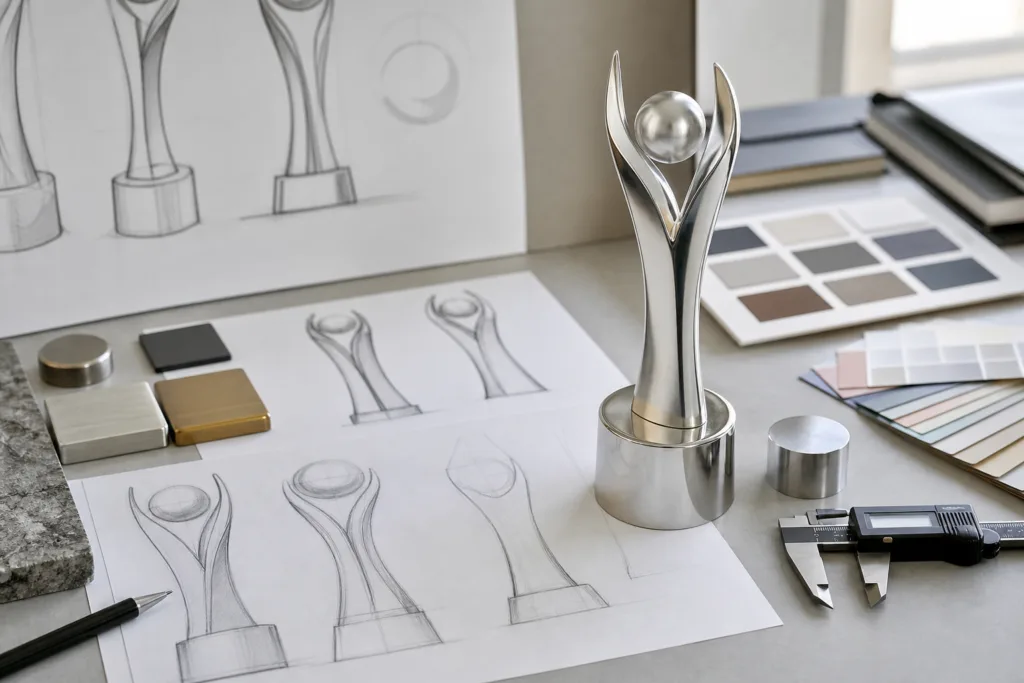
Trophy Brushing and Polishing for Custom Metal Awards
Brushing and polishing shape how a custom metal trophy reflects light, shows texture, and supports later decorative finishes. Me Trophy can help with finish planning for buyers who need a controlled satin grain, a smoother polished surface, or a combination of visual effects.
Share your artwork, material concept, target appearance, quantity, and packaging requirements to discuss a suitable process path. Request a custom trophy quote for project-specific evaluation.
FINISH CONTROL
Choose the Surface Effect Before Approving the Decoration
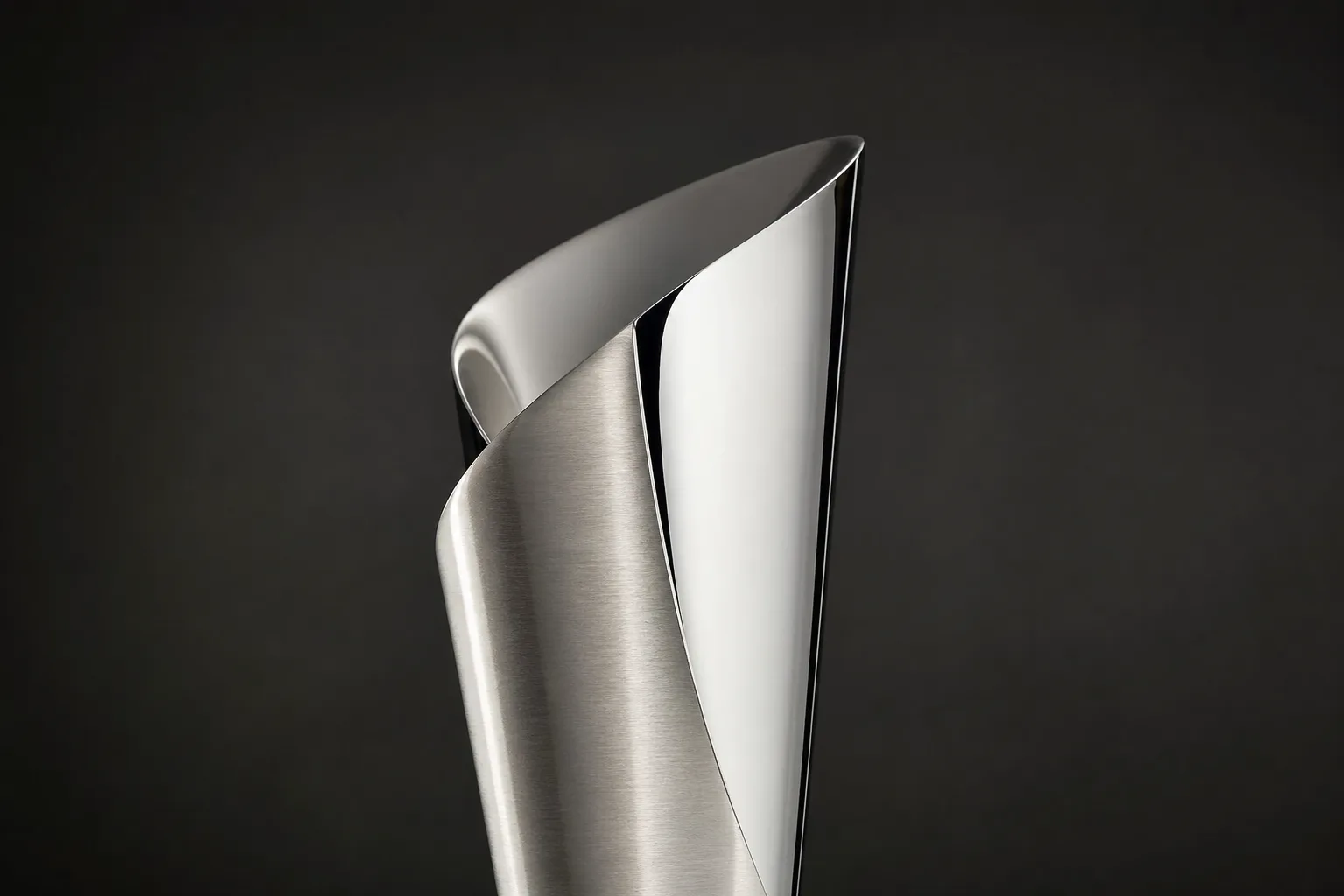
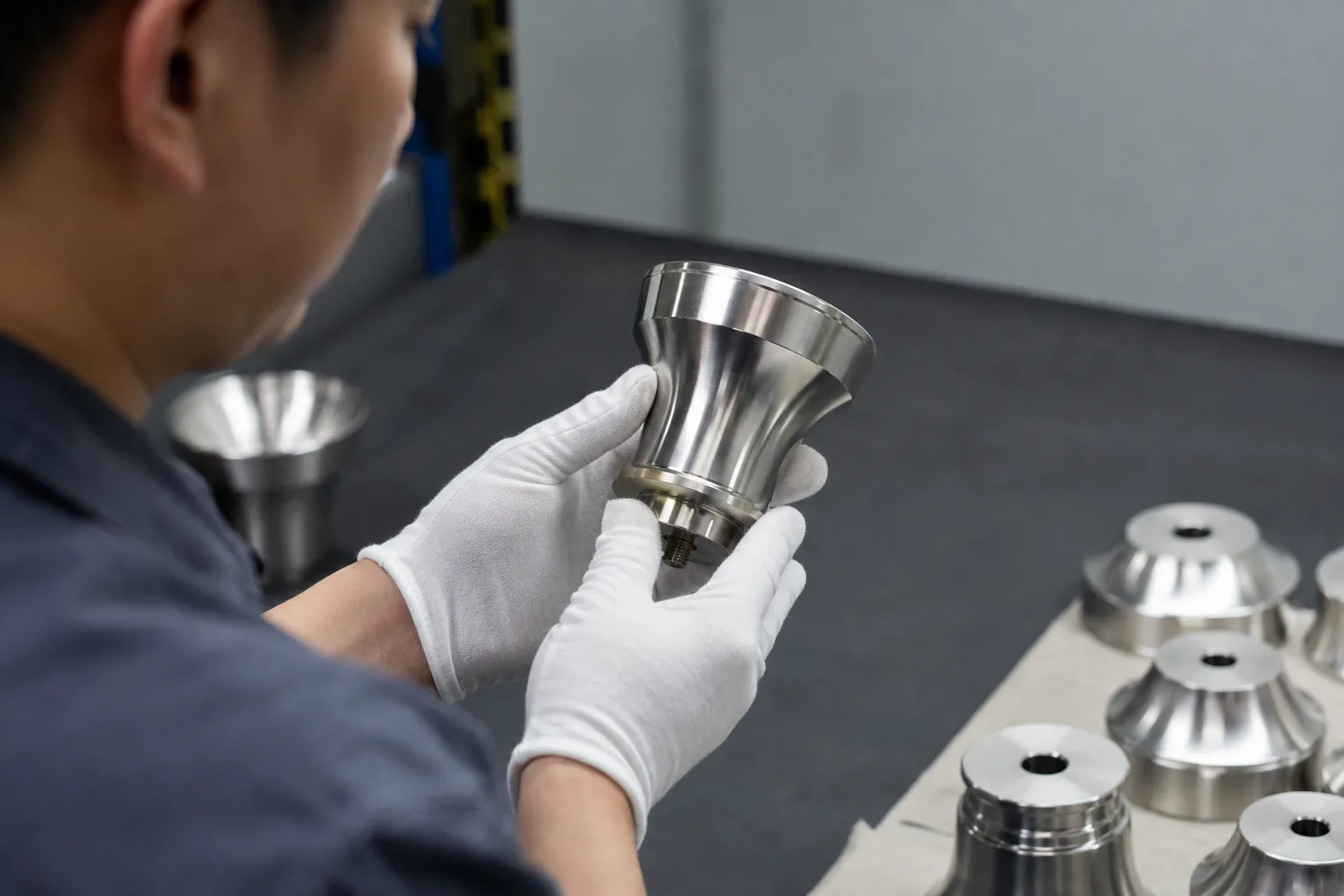
Brushing and polishing are related processes, but they do not create the same appearance. Brushing usually forms a directional grain with softer reflections. Polishing reduces visible roughness and can create a brighter, more reflective appearance, depending on the material, part geometry, and approved specification.
These operations may be used on exposed metal or as preparation for electroplating and other decorative treatments. They do not automatically remove deep casting marks, joint lines, dents, or geometry defects. Those conditions should be reviewed during surface preparation planning before the appearance standard is confirmed.
Key decisions include:
- Whether the target is directional, satin, smooth, bright, or a combination of effects.
- Which faces, edges, recesses, and raised details require treatment.
- Whether the surface will remain visible or receive plating, paint, engraving, or assembly.
- How much variation is acceptable on curves, corners, and recessed areas.
- Which approved sample or visual reference will guide production inspection.
FINISH COMPARISON
Match the Process to the Intended Visual Result
| Finish Approach | Typical Appearance | Suitable Design Use | Points to Confirm |
|---|---|---|---|
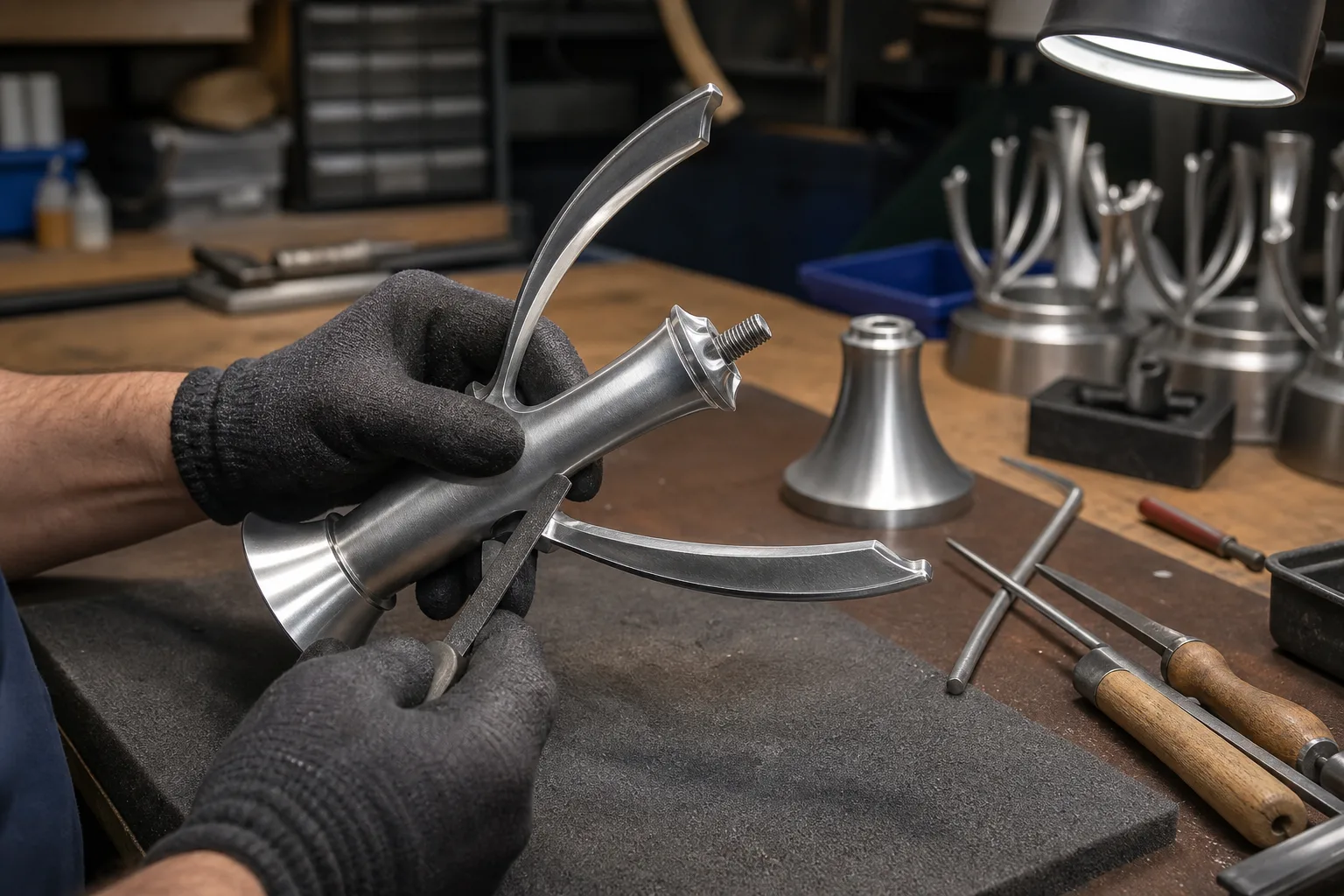
| Directional brushing | Visible linear grain with restrained reflection | Broad faces, panels, bands, and selected decorative areas | Grain direction, consistency, edge transitions, and treatment boundaries |
| Fine satin brushing | Softer grain with a more subdued visual effect | Contemporary trophies or areas intended to reduce glare | Reference sample, grain visibility, and compatibility with later finishes |
| Polishing | Smoother surface with stronger reflection | Raised details, borders, focal areas, or surfaces prepared for a bright decorative finish | Required smoothness, accessible areas, geometry limits, and acceptable variation |
| Combined brushing and polishing | Contrast between satin and reflective areas | Designs that use surface contrast to separate visual elements | Masking boundaries, process sequence, sample approval, and inspection method |
The final appearance also depends on the next process. Buyers considering a metallic decorative layer should review available electroplating process considerations. Projects using colored areas can compare paint and color finish options without treating paint, brushing, and polishing as interchangeable specifications.
APPROVAL PATH
Control the Finish Through a Defined Workflow
A practical workflow links the artwork, part geometry, surface condition, finish sequence, and inspection reference. The exact route remains subject to evaluation of the approved trophy specification.
- Review the design and finish map. Identify visible faces, recessed details, edge conditions, brushed zones, polished zones, and areas intended for later decoration.
- Evaluate process access. Check whether tools can reach narrow channels, deep recesses, curves, seams, and small decorative details without changing the intended form.
- Confirm the process sequence. Plan brushing or polishing in relation to casting cleanup, electroplating, painting, engraving, and assembly.
- Prepare and inspect a sample when required. Compare grain direction, reflection, transition lines, visible marks, and overall appearance against the approved reference.
- Set production checkpoints. Use the approved specification and sample to guide in-process and final visual checks.
For appearance-sensitive projects, request sample production support before confirming a larger order. Sample approval should identify the accepted viewing conditions and finish areas rather than relying only on broad terms such as satin or shiny.
BUYER SCENARIOS
Plan the Surface Around the Award Program
01
Corporate awards with restrained reflections
A procurement team may prefer a satin grain on broad metal faces and polished accents around a raised feature. The team should define the direction of the grain, the boundary between effects, personalization areas, base structure, presentation packaging, and the required delivery window. A fixed event date should be discussed at the start of the inquiry.
02
Championship trophies with bright focal areas
An event organizer may want highly reflective raised details combined with painted or plated sections. The organizer should confirm which surfaces must appear bright, whether recessed areas require color, how handling marks will be managed during assembly, and whether a physical sample is needed for appearance approval.
03
Repeat orders for distributors or private-label buyers
A repeat-supply buyer should retain approved artwork, finish maps, sample references, personalization data rules, and packaging specifications. If a finish reference changes between orders, the new expectation should be reviewed before production rather than assumed to match an earlier order.
QUOTATION PREP
Provide Enough Detail for a Useful Process Review
Before requesting a quotation, prepare:
- Two-dimensional artwork, three-dimensional files if available, or clear reference images.
- Target trophy size, structure, metal preference, base concept, and required quantity.
- A finish map showing brushed, polished, plated, painted, engraved, and untreated areas.
- Close-up references for grain direction, reflectivity, and effect boundaries.
- Logo, nameplate, or personalization files and the expected data format.
- Packaging requirements, destination, target schedule, and fixed event date if applicable.
Common mistakes include using vague finish terms, approving only a distant product image, overlooking tool access in deep recesses, and changing plating or paint choices after the surface sequence has been planned. Buyers should also confirm authorization for any logo, team name, school mark, association mark, or event graphic before production.
Pricing and timing depend on the artwork, size, material, quantity, finish complexity, accessories, personalization, mold requirements, packaging, and current order schedule. Regular custom products are usually available from one piece, but the exact MOQ remains subject to structure, process, mold, and packaging review.
NEXT STEP
Start with Artwork and a Clear Appearance Reference
Send the design, finish map, quantity, target appearance, packaging needs, and schedule for review. Me Trophy can evaluate whether brushing, polishing, or a combined treatment suits the part geometry and planned decorative sequence.
The next step is to request a quote for trophy brushing and polishing. If the appearance cannot be approved from drawings and references alone, include a sample request in your inquiry.
BUYER QUESTIONS
Frequently Asked Questions
What is the difference between brushing and polishing a metal trophy?
Brushing usually creates a directional grain with softer reflection, while polishing produces a smoother and potentially brighter surface. The achievable result depends on the metal, geometry, initial surface condition, and approved specification.
Can one trophy use both brushed and polished areas?
Yes, a design can use contrasting surface effects when the treatment boundaries and process sequence are feasible. Clear finish maps and sample approval may be useful for controlling the transition between areas.
Should brushing or polishing be completed before electroplating?
The sequence depends on the intended finish and part design. Surface preparation is commonly planned in relation to electroplating, painting, engraving, and assembly, so the full decorative specification should be reviewed together.
Is a physical sample recommended for surface approval?
A sample is useful when grain direction, reflectivity, finish boundaries, or appearance variation is important. Whether it is required depends on project complexity, quantity, schedule, and the buyer’s approval process.
What files should I provide for a brushing and polishing quotation?
Provide artwork or available three-dimensional files, dimensions, quantity, material preference, a finish map, appearance references, personalization details, packaging needs, destination, and target schedule. Mention any fixed event date at the start.
Can brushing or polishing remove every casting mark or surface defect?
Not necessarily. Deep marks, dents, seams, inaccessible recesses, and geometry issues may require separate evaluation. The acceptable surface condition should be defined through the approved specification and, when appropriate, a sample.