
Baking Paint and Spray Painting for Metal Trophies
FINISH STRUCTURE
Color Application and Curing for a Defined Trophy Appearance
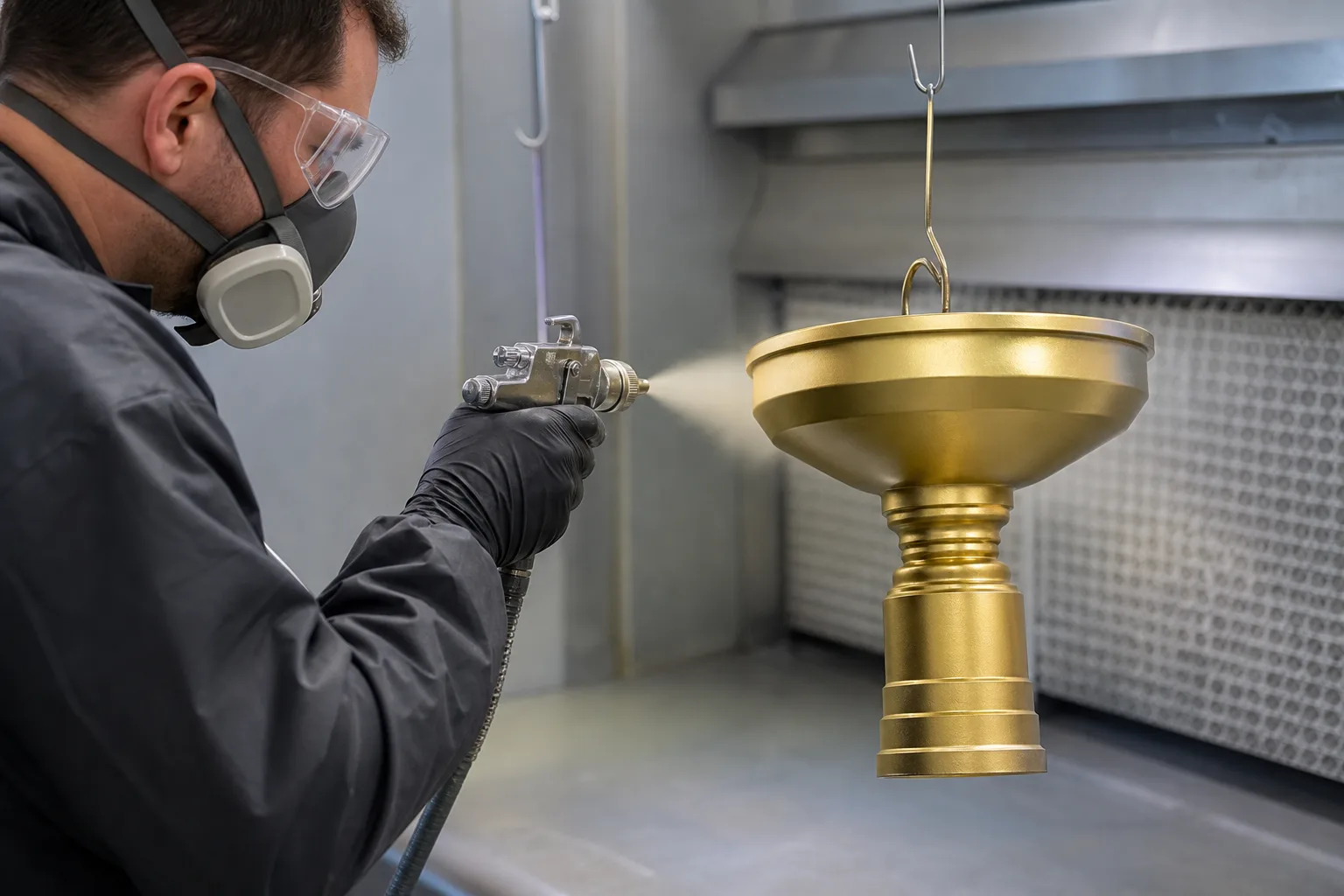
Spray painting applies a coating across selected metal surfaces or recessed details. Baking can then support controlled curing when the selected coating, substrate, and trophy structure are suitable for that process. These steps may be used together rather than treated as competing finish options.
Paint can create broad areas of color, highlight relief patterns, separate award levels, or add visual contrast beside an electroplated surface. The right method depends on the design, metal substrate, surface preparation, color target, masking requirements, assembly sequence, and expected handling conditions.
Painting is only one part of the finish specification. Buyers should also consider whether the design needs plated areas, polished areas, engraved information, a base, or separately assembled components. Review paint and color finish options when deciding how color should work across the complete trophy.
PRE-PRODUCTION CHECK
Define the Paint Specification Clearly
A visual reference alone may not show where paint starts and stops, which surfaces remain metallic, or how separate components should match. A usable specification should identify the intended color, location, sheen, surrounding finish, and acceptable appearance standard.
- Color reference: provide a recognized color code, physical reference, or approved visual sample when available.
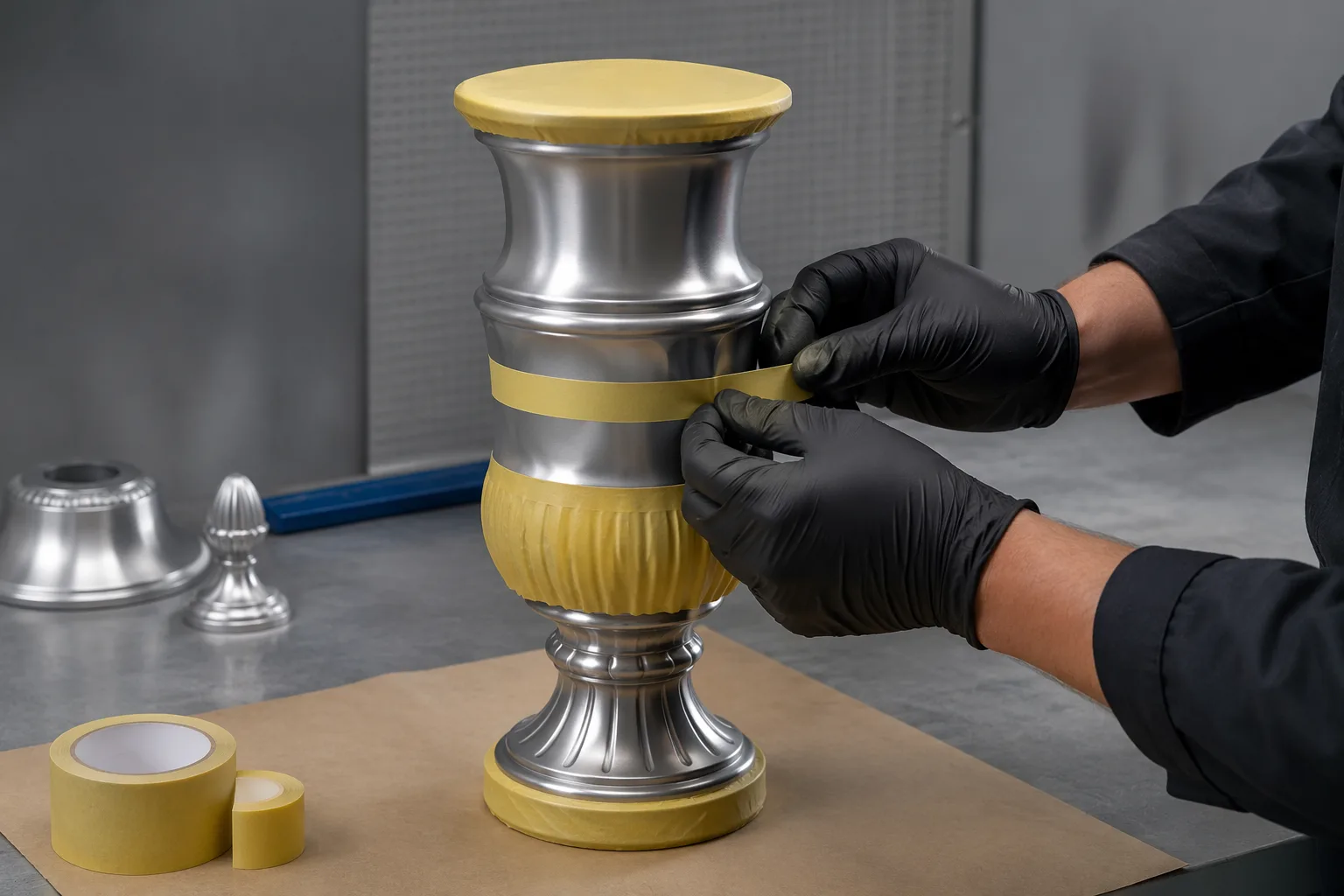
- Paint location: mark full surfaces, recessed areas, raised details, edges, and unpainted zones.
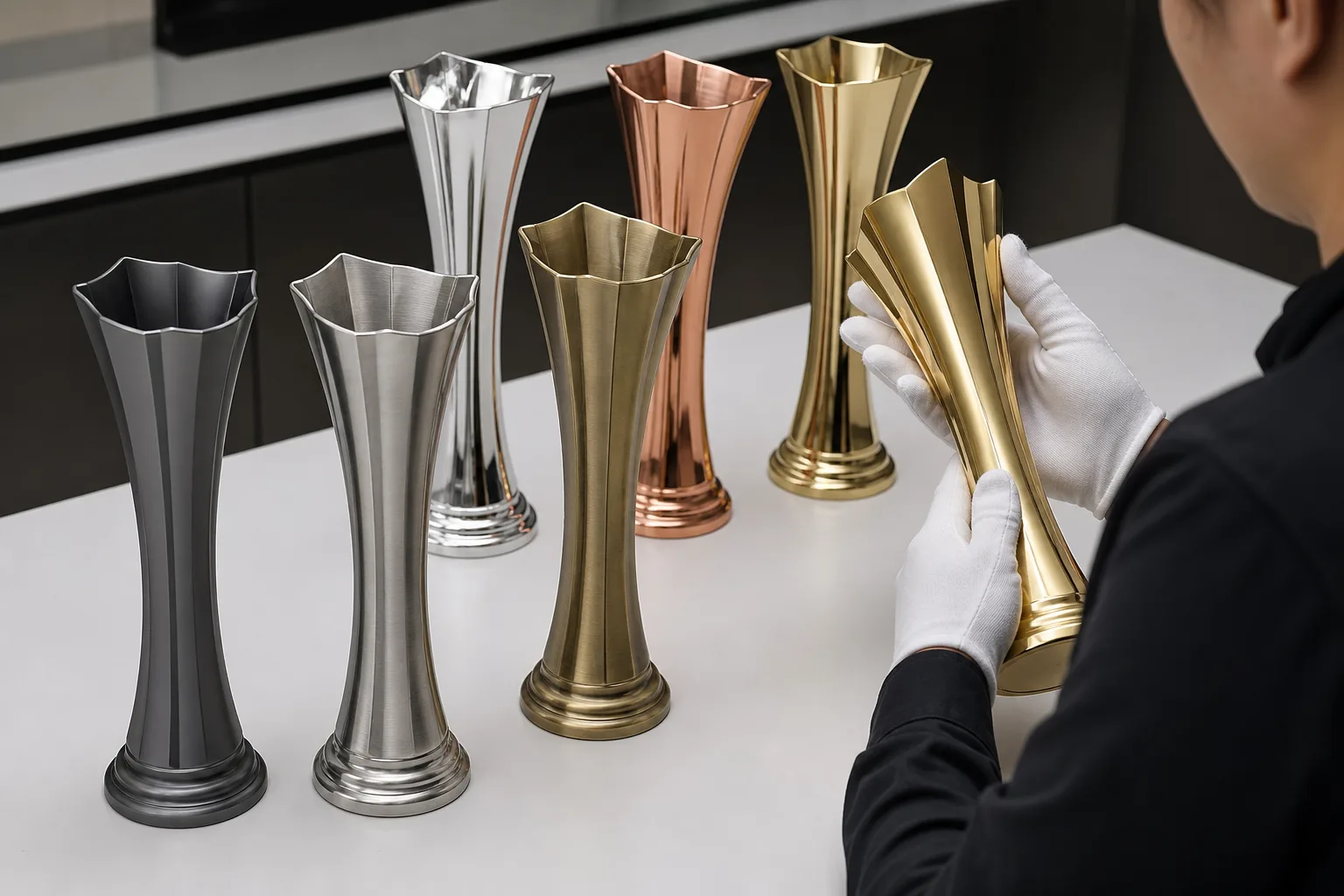
- Finish appearance: state whether the target is matte, satin, gloss, metallic-looking, or another clearly defined effect subject to feasibility.
- Base material and preparation: confirm the metal part and the required cleaning, smoothing, or polishing sequence.
- Masking boundaries: identify where painted and plated or polished surfaces meet.
- Assembly requirements: show whether painted parts connect to bases, nameplates, inserts, or other components.
- Approval method: decide whether approval will be based on photographs, a physical sample, or another agreed reference.
Surface condition can affect the final appearance. The preceding polishing and surface preparation process should therefore be considered before the paint specification is approved.
BUYER SCENARIOS
Match the Process to the Buying Scenario
01
Multi-Level Awards for an Event
An event buyer may need related trophies for champion, runner-up, and participation levels. The key decisions are whether to change the overall paint color, use small painted identifiers, vary the trophy size, or change the nameplate data. The buyer should also confirm quantities by level and disclose the fixed event date at the start of the inquiry.
02
Repeat Supply for a Private-Label Product
A distributor or e-commerce seller may prioritize repeatable appearance across separate orders. The specification should define the approved color reference, paint boundaries, component structure, packaging, personalization data, and the reference used for future production. Any logo or protected mark must be authorized by the buyer before production.
03
Painted Details on a Metallic Trophy
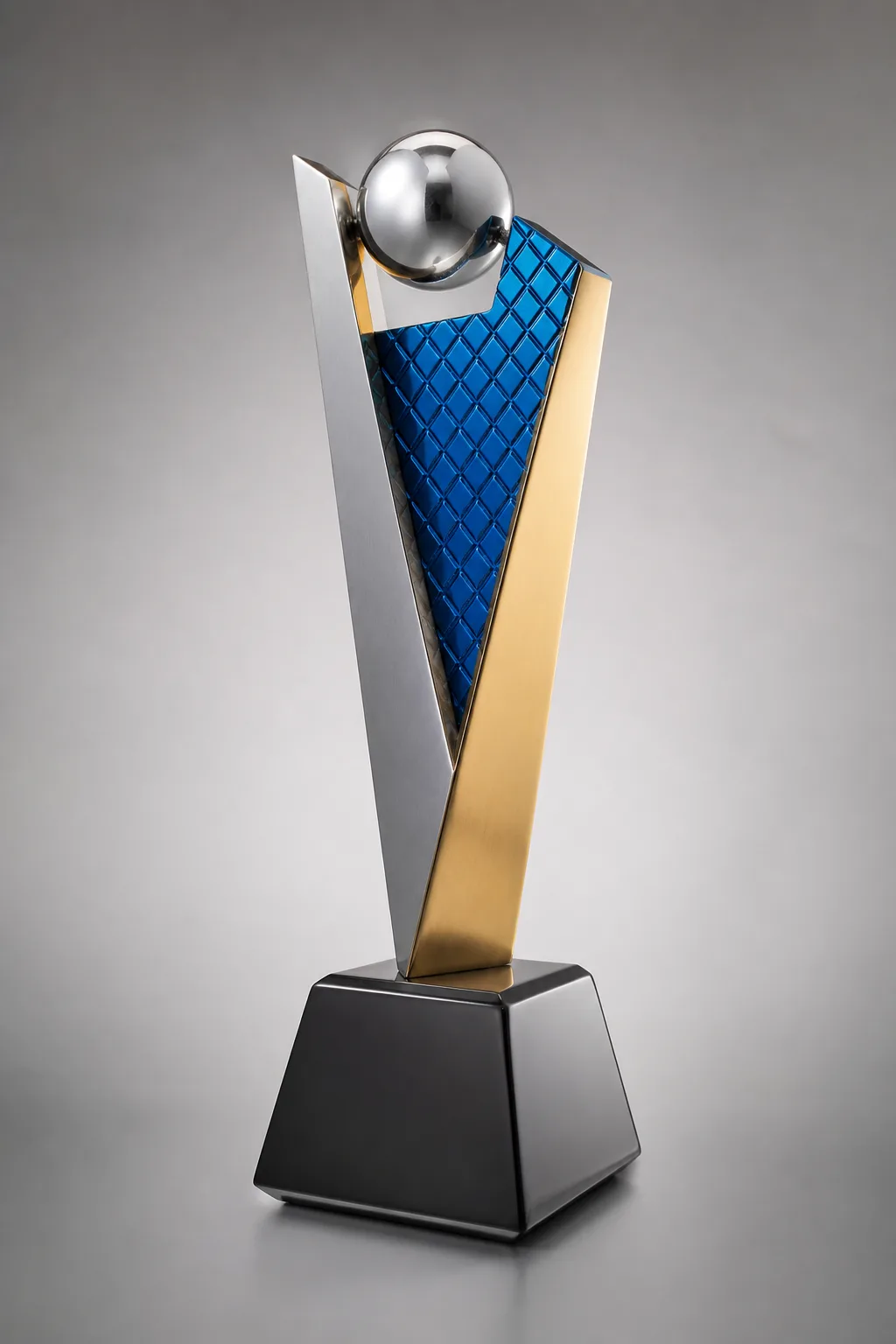
Some designs use paint only for recessed graphics or selected accents while leaving other areas plated or polished. This requires clear artwork, practical masking boundaries, and an agreed assembly sequence. Buyers comparing this route with a mainly painted product can review custom painted metal trophies.
PRODUCTION STEPS
From Artwork Review to Finished Assembly
The sequence depends on the approved specification and trophy structure, but a typical project review can include the following stages:
- Review the artwork, dimensions, metal components, paint locations, color references, quantity, and packaging requirements.
- Evaluate mold feasibility, surface access, masking needs, curing suitability, and the order of finishing and assembly steps.
- Prepare the metal surface according to the selected finish route.
- Apply the coating to the specified areas and use the agreed curing method when compatible with the coating and component.
- Inspect color placement, visible coverage, surface condition, boundaries, and component fit against the approved reference.
- Complete engraving, nameplate installation, base assembly, or other specified finishing work.
- Confirm the approved sample or inspection reference before bulk order planning where required.
Appearance-sensitive projects may benefit from a physical approval stage. Buyers can request a trophy sample to discuss the applicable sample scope, cost, and timing. All timing remains project-specific and depends on the design, process route, sample requirements, quantity, and current order schedule.
RISK CONTROL
Prevent Ambiguity Before the Finish Is Applied
Painted finishes can be affected by incomplete specifications, unsuitable surface conditions, difficult masking geometry, or differences between screen colors and physical samples. These risks should be addressed during design evaluation rather than after production begins.
- Do not approve color from an uncalibrated screen alone when close matching is important.
- Do not leave paint boundaries undefined on complex relief patterns or narrow edges.
- Do not assume every coating, metal part, adhesive, insert, or assembled component is suitable for the same curing conditions.
- Do not omit viewing expectations for highly visible front surfaces and recessed details.
- Do not change color, sheen, artwork, or assembly details after sample approval without reviewing the effect on cost and timing.
- Do not submit logos, team marks, school marks, association marks, event graphics, or other protected content without confirming authorization.
Quality review should be based on the approved specification and agreed inspection method. See the custom trophy quality control process for related checkpoints covering appearance, dimensions, assembly, personalization, and packaging.
QUOTE PREPARATION
What to Send for a Quote
To assess baking paint and spray painting requirements, provide enough information to connect the finish to the complete trophy design.
- Artwork or a clear concept showing the trophy shape and painted areas
- Target dimensions and base structure
- Preferred metal material, if already selected
- Color codes, physical references, or finish examples
- Required sheen and surrounding plated or polished finishes
- Order quantity and quantity breakdown by design or award level
- Logo, engraving, and variable nameplate data requirements
- Sample approval expectations
- Packaging requirements and destination market
- Required event date or target delivery window
Regular custom products are usually available from one piece, but the exact MOQ depends on the structure, size, material, process, mold needs, and packaging. Pricing and production lead time are also project-specific. Send the complete finish brief through the custom trophy quote form as the next step for baking paint and spray painting evaluation.
BUYER QUESTIONS
Frequently Asked Questions
What is the difference between spray painting and baking paint for a metal trophy?
Spray painting describes a method of applying coating to a surface. Baking refers to a controlled curing stage that may follow application when the coating, metal part, and trophy structure are suitable. The final process should be confirmed from the complete specification.
Can painted and electroplated areas be used on the same trophy?
They can be considered within one design, subject to material, geometry, masking access, surface preparation, and process-sequence review. Artwork should clearly identify which areas are painted, plated, polished, or left uncoated.
What color information should I provide?
Provide a recognized color code, a physical reference, or an approved sample when available. Also state the required sheen and exact paint location. Screen images alone may not be sufficient when close visual matching is important.
Should I request a sample before a bulk painted trophy order?
A sample is useful for appearance-sensitive projects, new structures, complex masking, or repeat-order references. Sample scope, cost, approval method, and timing depend on the project and should be confirmed before production.
What can affect the cost and production lead time?
Relevant factors can include artwork, trophy size, metal material, quantity, surface preparation, number of colors, masking complexity, mold requirements, accessories, personalization, sample approval, assembly, and packaging. Timing also depends on the current order schedule.
Can Me Trophy reproduce a team, school, event, or company logo in paint?
Logo feasibility depends on the artwork, size, relief, paint boundaries, and selected process. The buyer must confirm authorization to use any trademark, school mark, team name, association mark, event graphic, or other protected content before production.