
Electroplated vs Painted Trophies
Compare metallic plating finishes with painted color finishes before approving your custom trophy specification. This guide helps event planners, procurement teams, distributors, and private-label buyers choose an appearance that fits the design, budget, personalization plan, and production requirements. Prepare your artwork and finish references, then request a custom trophy quote for project-specific evaluation.

FINISH FUNDAMENTALS
Metallic Character or Controlled Color?
Electroplating and painting are surface-finishing options, not trophy materials or structural methods. The underlying metal, casting quality, surface preparation, shape, and assembly plan still affect the finished result.
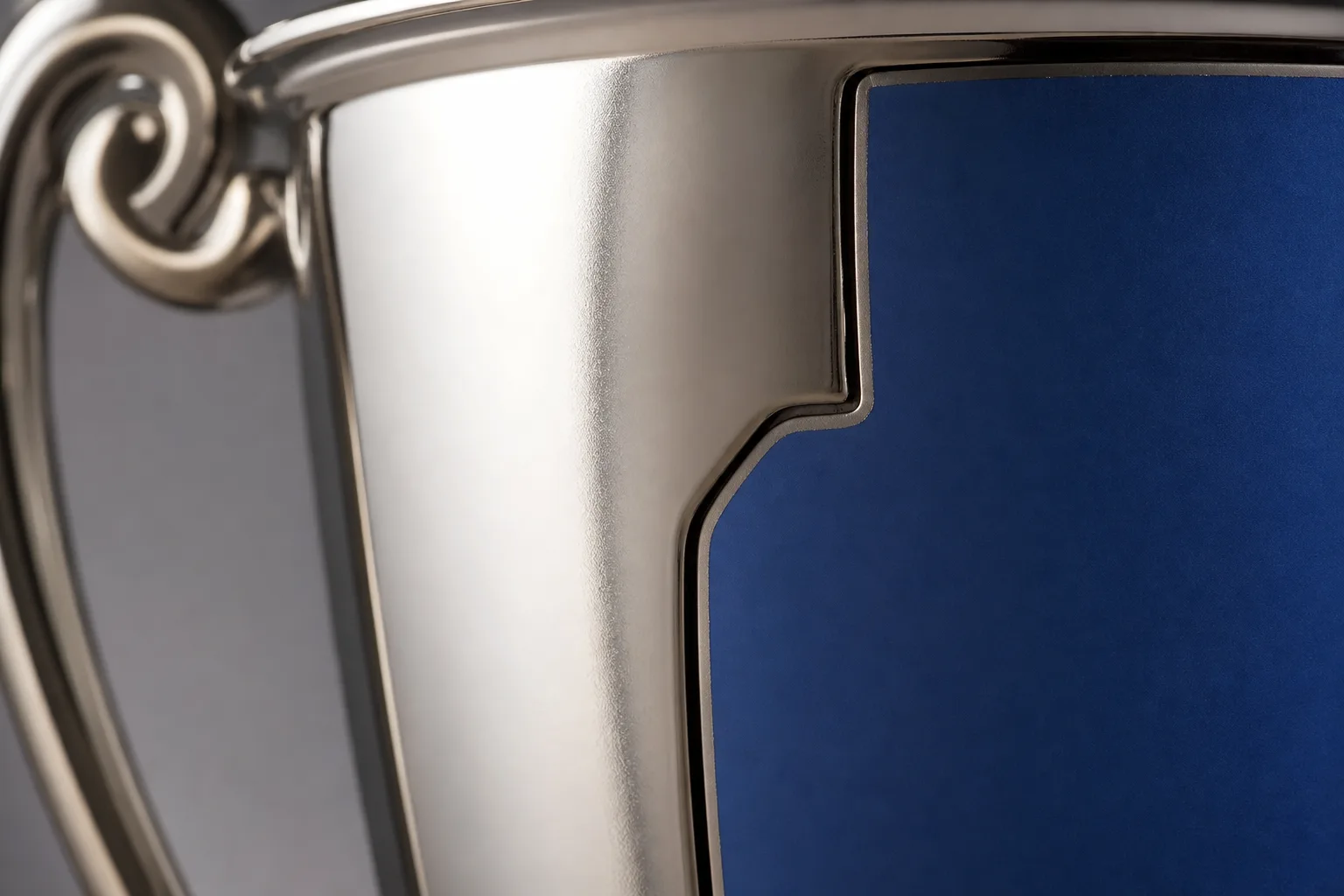
Electroplating is generally selected when a design needs a reflective or decorative metallic character. Painted finishes are generally selected when a trophy needs defined colors, opaque coverage, or color-blocked details. Neither option is automatically better. The practical choice depends on the artwork, surface geometry, handling conditions, visual references, and approved specification.
Buyers should review finish decisions together with the trophy material, base structure, logo method, and packaging. Explore the available electroplating finish considerations and paint and color finish options when building the specification.
COMPARISON TABLE
Electroplated vs Painted Trophies at a Glance
| Decision Point | Electroplated Finish | Painted Finish |
|---|---|---|
| Visual character | Typically used for reflective, polished, satin, or other metallic-looking effects, subject to the selected process and surface preparation. | Typically used for solid colors, contrasting areas, gradients where feasible, or selected decorative details. |
| Color control | Evaluated through approved finish references and samples because appearance can change with lighting, geometry, and surface condition. | Can support more direct color targeting, but the practical result still depends on the paint system, substrate, application method, and approved reference. |
| Design suitability | Often suits trophies where the main visual goal is a continuous metallic presentation. | Often suits designs that need event colors, separated color zones, or clearly differentiated details. |
| Surface preparation | Requires careful preparation because surface irregularities may remain visible beneath a reflective finish. | Also requires suitable preparation; paint should not be treated as a substitute for correcting structural or surface defects. |
| Approval focus | Review tone, reflectivity, surface consistency, recesses, edges, and the appearance under relevant lighting. | Review color reference, coverage, boundaries, texture, recesses, edges, and compatibility with later assembly steps. |
| Cost and timing | Depend on trophy size, geometry, preparation, finish selection, quantity, masking, and inspection requirements. | Depend on the number of colors, coverage area, masking, application steps, quantity, curing needs, and inspection requirements. |
A finish reference viewed on a screen may not match a physical trophy under event lighting. For appearance-sensitive projects, physical sample review can reduce ambiguity before bulk production.
BUYER SCENARIOS
Two Common Buyer Scenarios
01
A Sports Event Trophy with Strong Color Zones
An event organizer may need a metallic body combined with painted areas that reflect the competition theme. The buyer should decide which surfaces remain metallic, which areas receive color, how color boundaries follow the trophy geometry, and whether names or rankings will be engraved, printed, or applied on a nameplate.
For this scenario, the artwork should identify each finish zone rather than using a single visual mockup with no production notes. Authorization should be confirmed before any protected team, league, sponsor, or event mark is submitted for production.
02
A Corporate Award with a Restrained Appearance
A procurement team may prefer one coordinated metallic finish with a small painted accent. The key decisions include reflectivity, surface texture, logo treatment, base material, recipient data, packaging, and whether a physical sample is required for stakeholder approval.
The buyer should also consider the presentation environment. A highly reflective surface and a subdued satin-like surface can communicate different visual styles even when the trophy shape is unchanged.
FINISH COMBINATIONS
Can a Trophy Use Both Finishes?
A custom metal trophy can use electroplated surfaces and painted details when the structure, masking plan, process sequence, and assembly method are feasible. This approach can create contrast, but it also adds approval points and may affect cost or production lead time.
The design evaluation should clarify:
- Which parts or zones receive electroplating.
- Which areas receive paint and how each color is identified.
- Whether components are finished separately before assembly.
- How recessed areas, sharp transitions, edges, and contact points will be handled.
- Whether engraving, nameplates, or other personalization is added before or after finishing.
- Which appearance references will control sample approval.
Complex finish combinations should be evaluated from production artwork, not only from a presentation image. Buyers at the concept stage can upload a trophy design for feasibility review.

QC CHECKPOINTS
Inspect More Than the Main Color
Finish approval should cover the full assembled trophy rather than one isolated surface. Relevant QC checkpoints can include finish location, visual consistency, surface condition, color boundaries, exposed edges, engraving position, assembly alignment, base contact, and packaging protection. Acceptance criteria should be agreed according to the approved specification.
Common Specification Mistakes
- Choosing a finish from a screen image without providing a physical or clearly identified reference.
- Using terms such as gold, silver, glossy, or matte without defining the expected visual result.
- Failing to mark plating and paint zones on the artwork.
- Approving the finish before confirming the base, logo method, and assembly structure.
- Ignoring contact points that may rub during assembly, transport, display, or handling.
- Submitting protected logos or event marks without confirming authorization.
- Waiting until production to disclose a fixed event date.
When appearance is commercially important, consider a custom trophy sample request. Sample scope, cost, timing, and the relationship between the sample and later production remain subject to project confirmation.
QUOTE PREPARATION
Information to Send Before Requesting a Quote
A useful quotation request gives the supplier enough information to evaluate both appearance and production feasibility. Prepare:
- Artwork or a three-dimensional concept with dimensions.
- Expected order quantity and any planned quantity tiers.
- Preferred metal, trophy size, weight target if relevant, and base structure.
- Marked electroplated and painted areas.
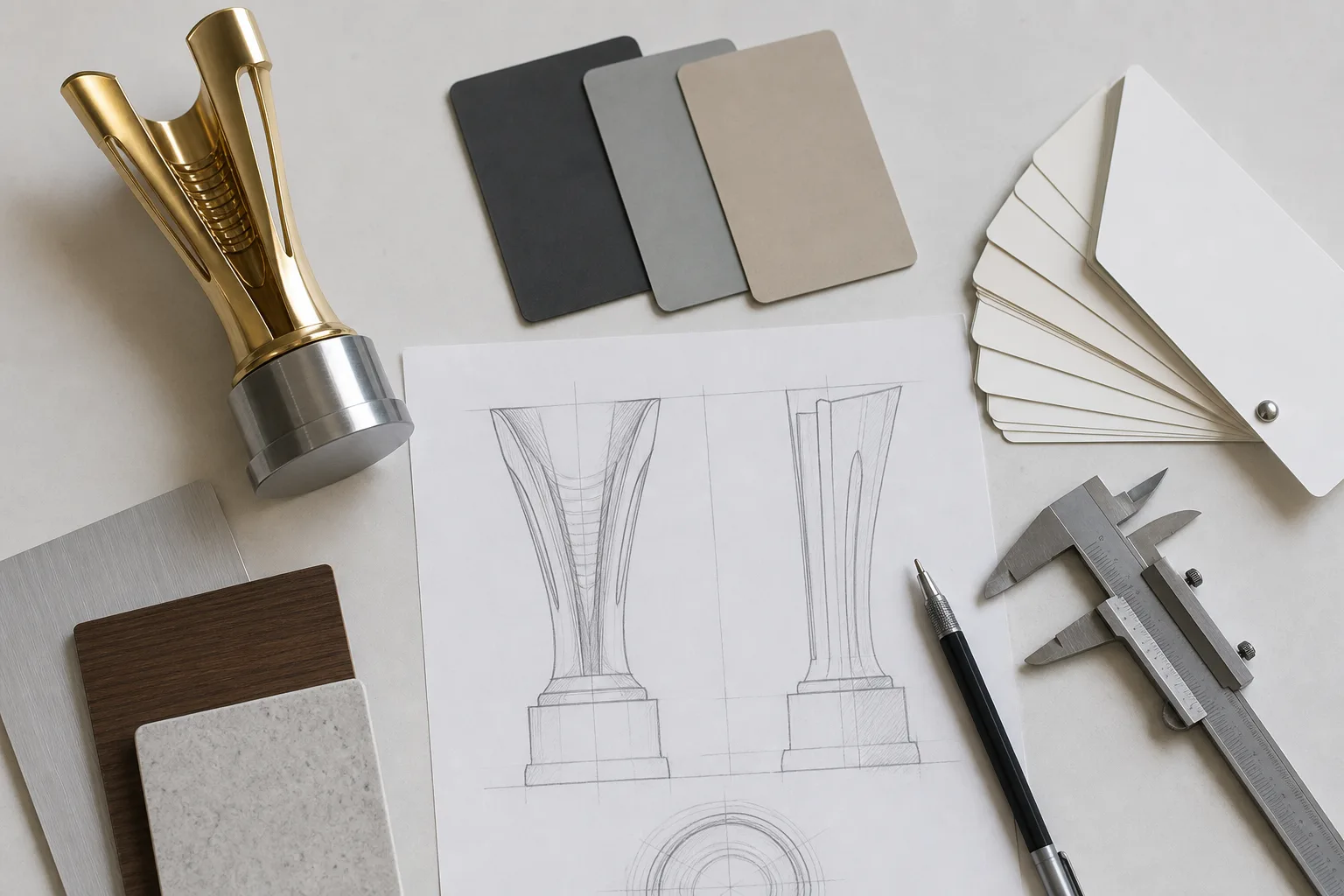
- Finish references, physical samples, or clearly identified color references where available.
- Logo files, engraving content, and variable nameplate data.
- Packaging requirements and private-label needs.
- Required delivery destination and fixed event date, if applicable.
- Whether a sample is required before bulk order approval.
Me Trophy can evaluate made-to-order metal trophy projects based on the submitted artwork and specification. MOQ, pricing, sample needs, and production timing depend on the structure, size, material, finish combination, quantity, personalization, mold requirements, packaging, and current order schedule.
The next step is to mark every finish zone on your artwork, collect your appearance references, and request an electroplated or painted trophy quotation based on the intended quantity and event schedule.
BUYER QUESTIONS
Frequently Asked Questions
Is electroplating better than paint for a metal trophy?
Not in every project. Electroplating generally suits a metallic visual direction, while paint generally suits defined colors and contrasting details. The better option depends on the artwork, geometry, handling, approval standard, budget, and production plan.
Can electroplating and paint be used on the same trophy?
They can be combined when the trophy structure, finish zones, masking, process sequence, and assembly method are feasible. A marked drawing and finish references are useful for evaluating the combination.
Which finish is more durable?
Durability cannot be judged from the finish category alone. It depends on the substrate, surface preparation, selected process, geometry, contact points, handling, packaging, and use environment. Project-specific requirements should be discussed before approval.
Does a painted trophy allow exact color matching?
Painted finishes can support controlled color targeting, but an exact result should not be assumed from a screen image. Buyers should provide an identified reference and confirm the practical approval method for the project.
What should I submit for an electroplated or painted trophy quote?
Submit artwork, dimensions, quantity, material preference, marked finish zones, appearance or color references, logo and personalization requirements, base details, packaging needs, destination, and any fixed event date. Pricing and timing remain subject to specification review.