Zinc alloy trophies.
Detail with dimension.
Explore logo-led forms, relief, texture and shaped outlines. Evaluate the artwork, structure and finish together with tooling and quantity.

Is zinc alloy the right
direction for your design?
Consider zinc alloy for corporate logo awards, event series and defined three-dimensional forms. Start with the details that must remain visible at the finished size.
- Review fine lines, small lettering, narrow gaps, relief depth and textures.
- Assess undercuts, draft, wall structure and attachment points with the tooling route.
- Include dimensions or a 3D file where available; identify visual details that may be simplified.
Look at the complete award.
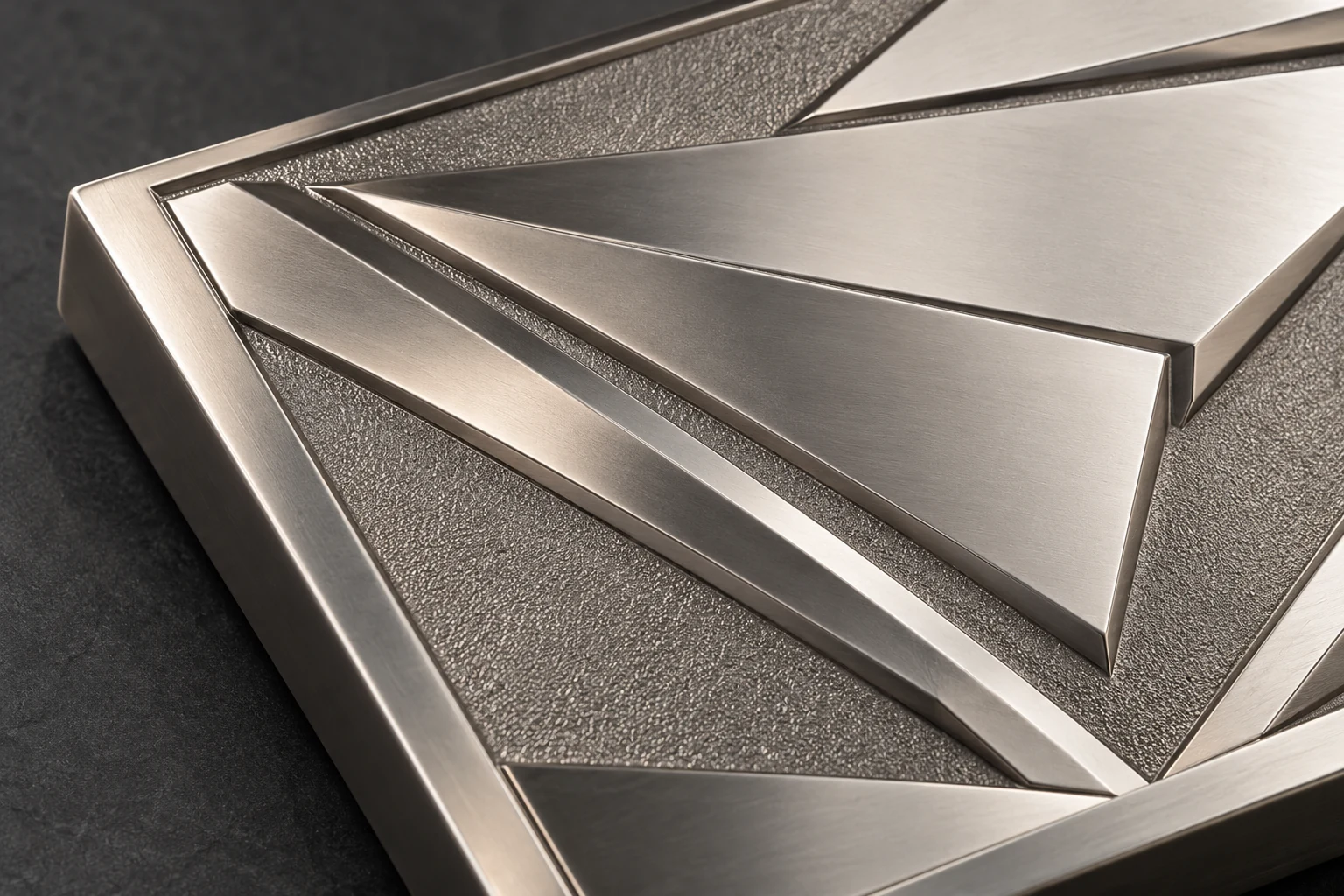
Shape & relief
Identify the outline, raised or recessed details and areas that stay consistent across versions.
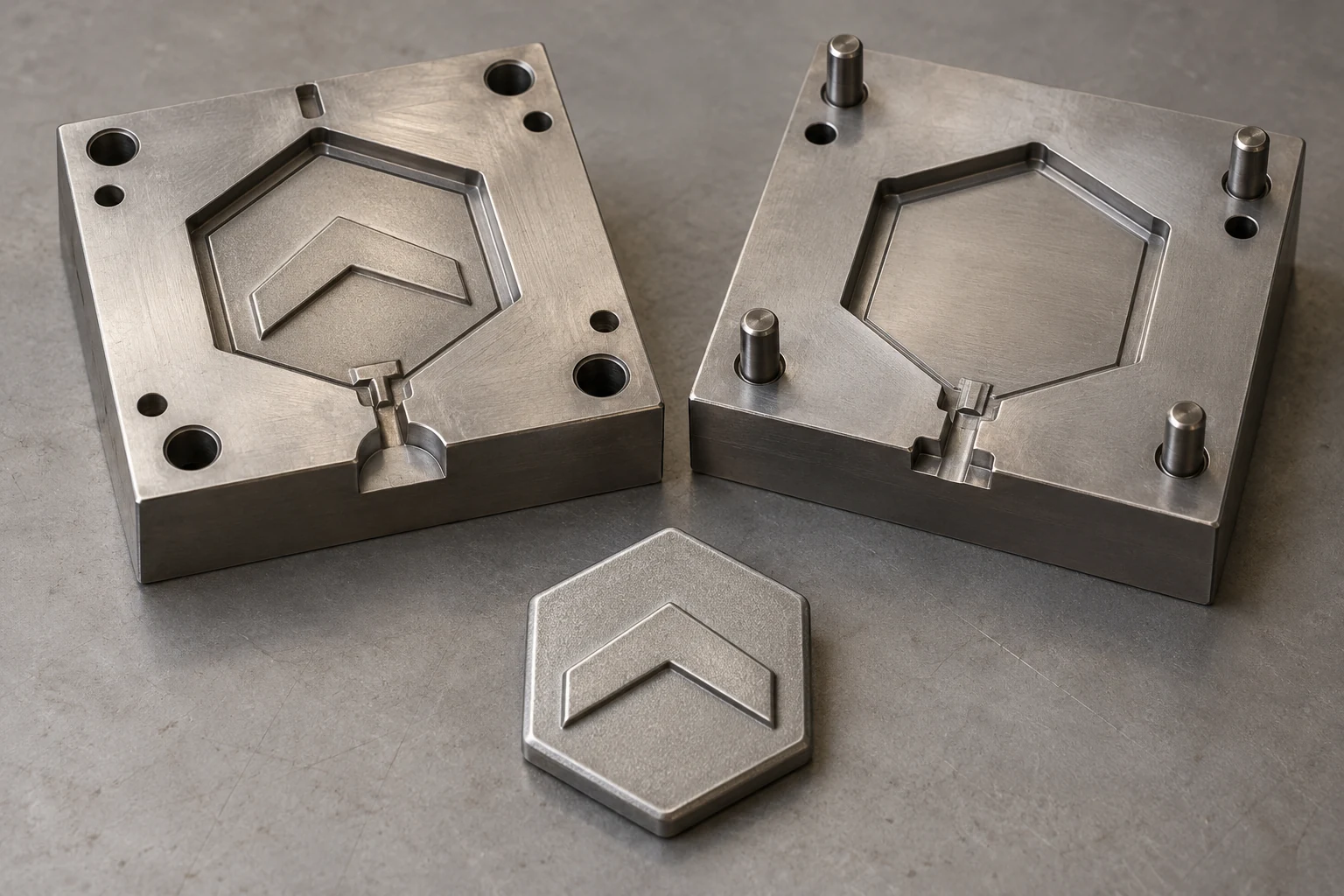
Production route
Geometry, draft, recesses and wall structure guide the forming and tooling review.
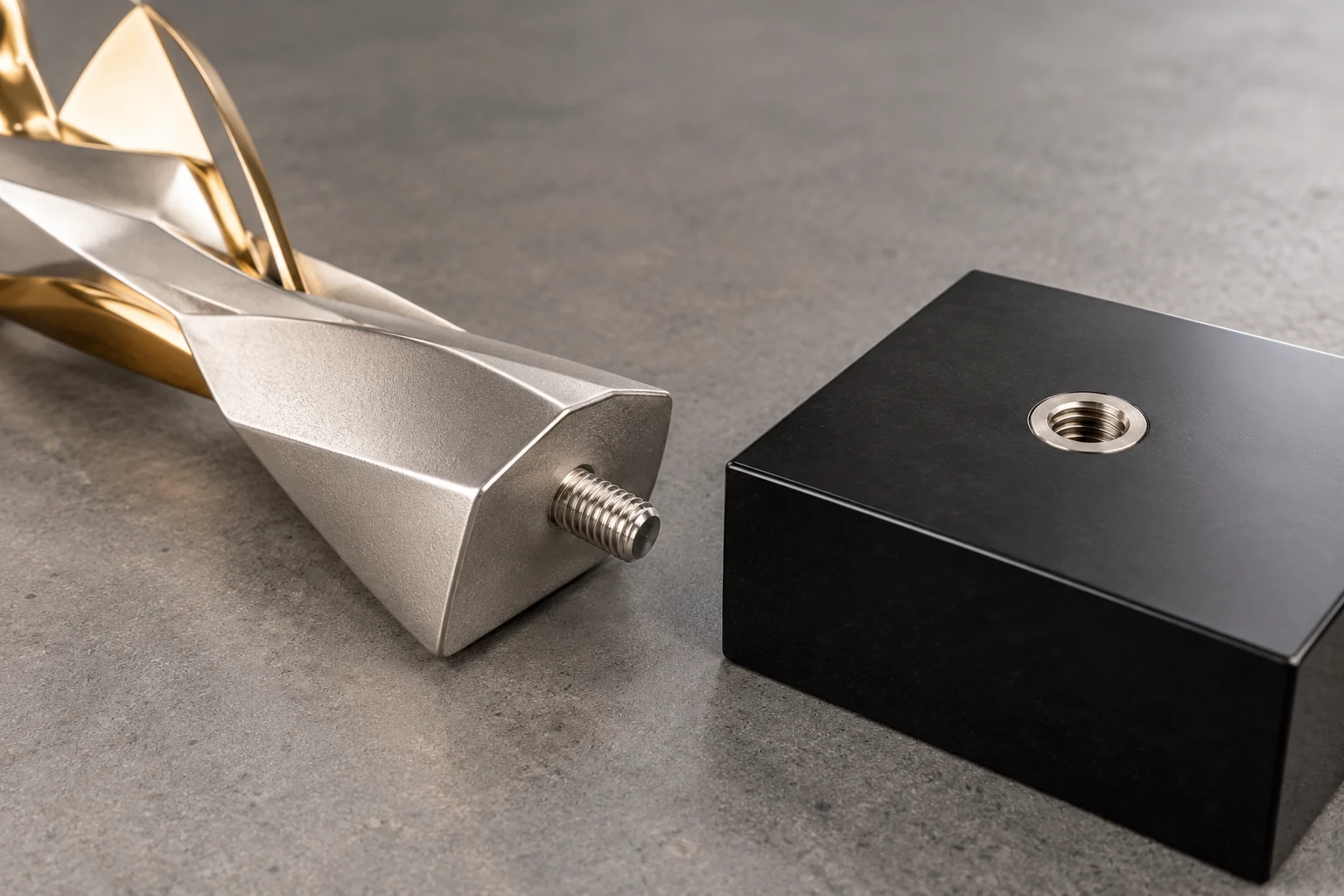
Base & connectors
Review display orientation, component interfaces, stability and whether parts are supplied together.
Surface choices
shape the final impression.
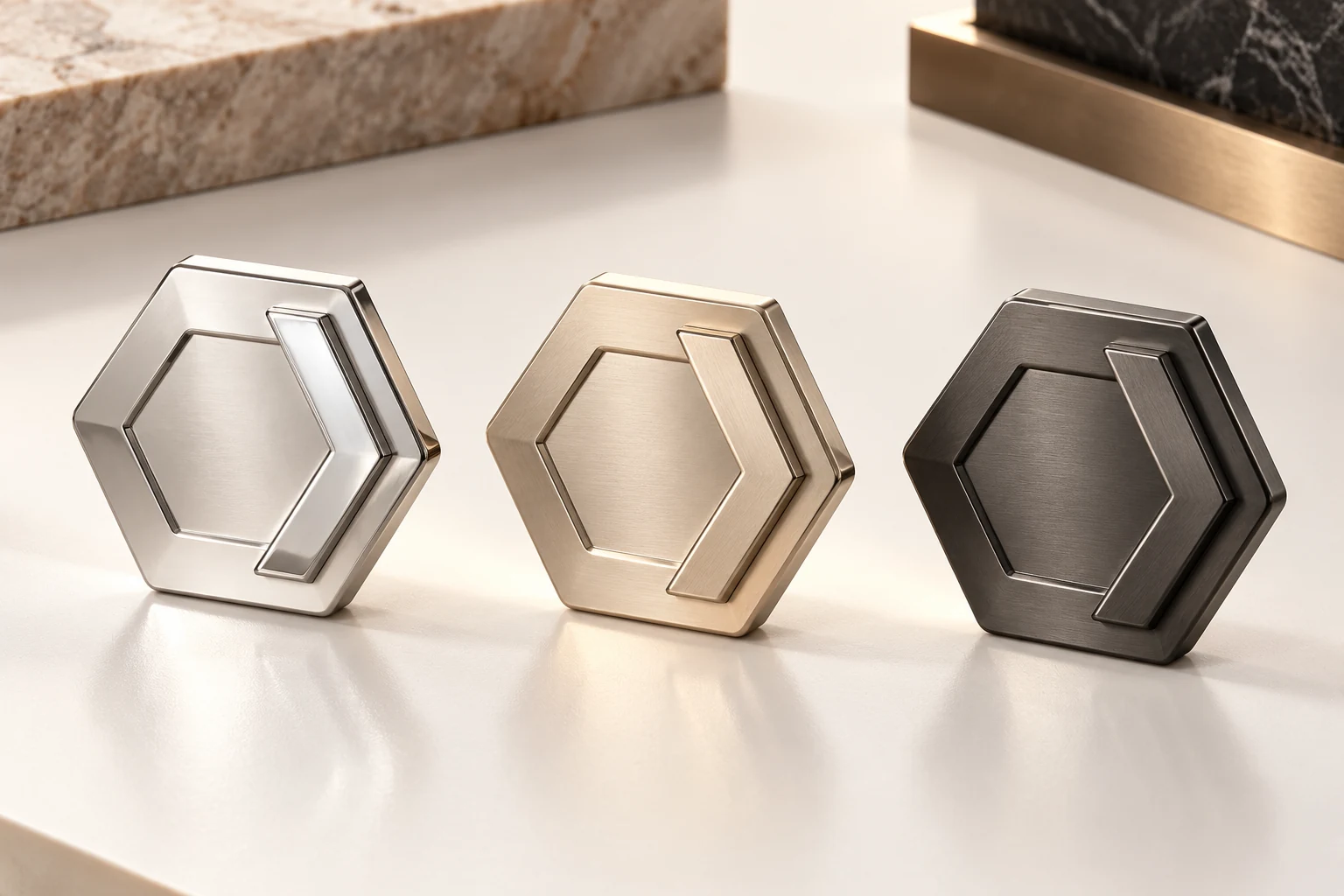
Color & contrast
Specify metallic color, painted areas, contrast between relief and recesses, gloss and protection. Alloy and surface finish are separate specification items.
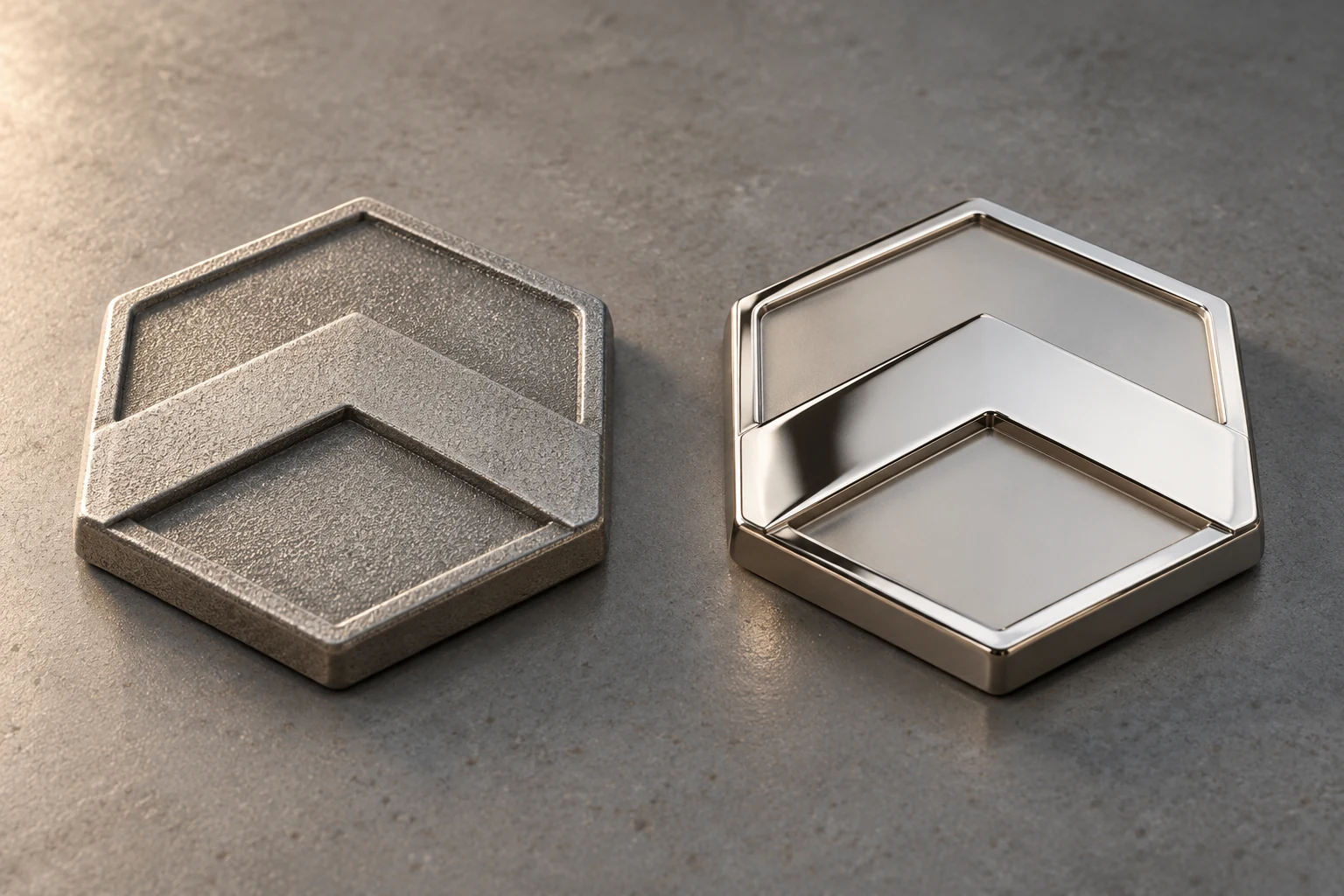
Surface preparation
Review how preparation supports the approved polish, satin, matte or contrasting surface direction.
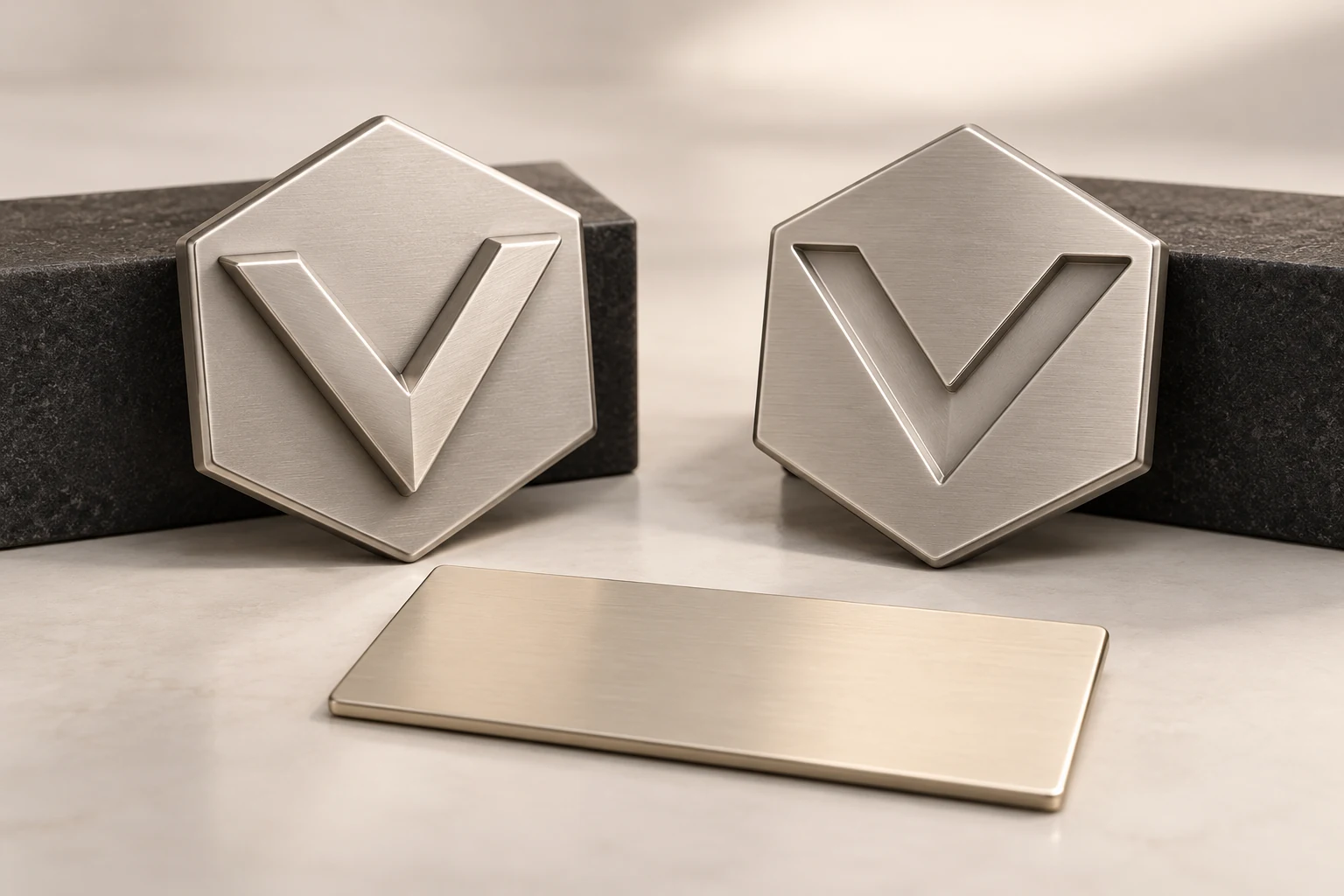
Logo & changing information
Approve the logo version, language, fonts, placement and variable names or dates before production.
Tooling and quantity.
Consider them together.
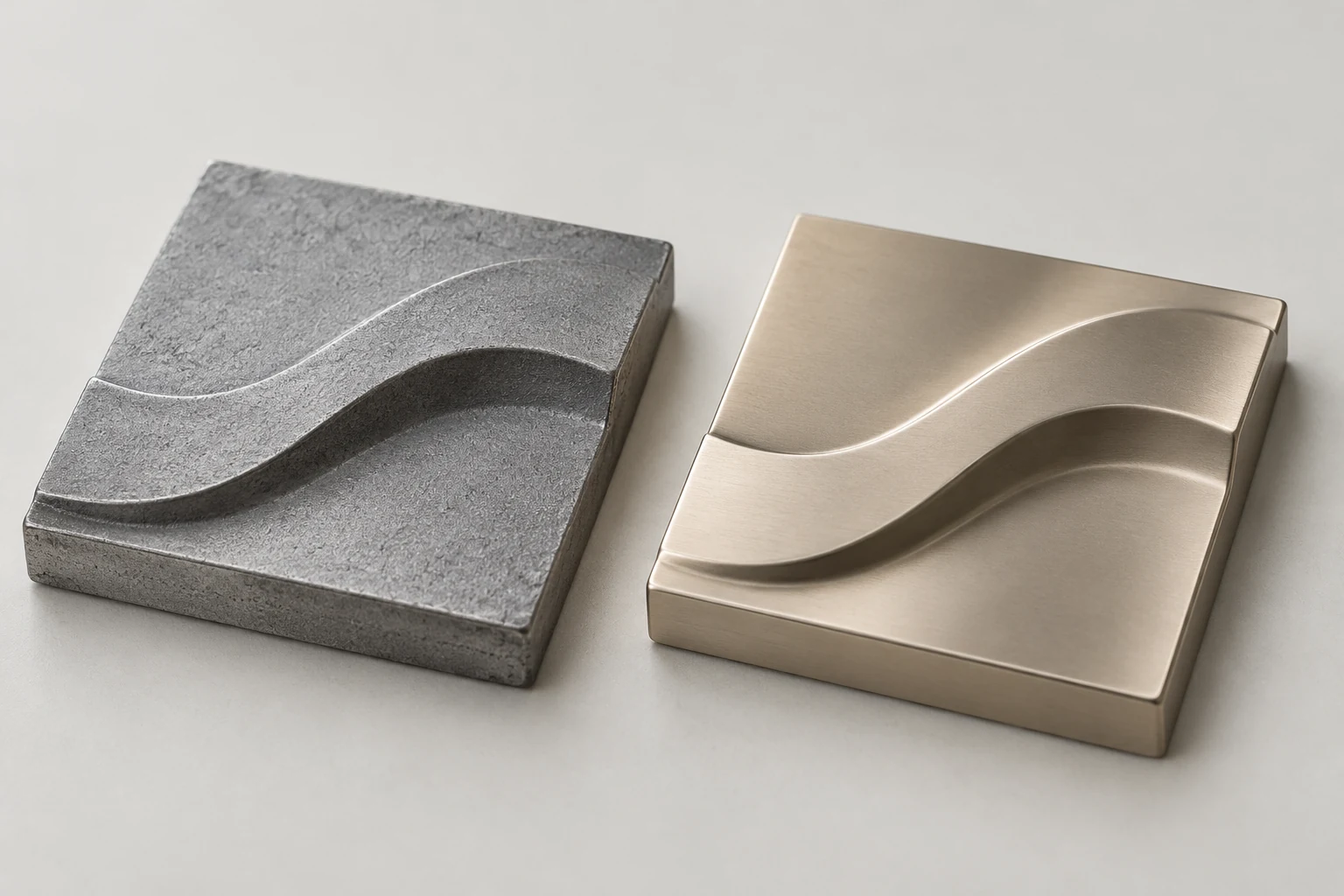
A clear basis for cost and repeat orders.
The quotation evaluates design complexity, dimensions, material, finish, components, personalization, sample scope, quantity, packing and destination together.
Tooling terms should identify scope, revision costs, ownership or management, reuse and the approvals needed before work begins. Keep the initial and expected repeat quantities separate.
What to include in the review.
| Decision | Your starting information |
|---|---|
| Geometry & structure | Drawing, reference or 3D file; dimensions, target weight, relief, wall structure, base and connectors. |
| Material & surface | Required alloy or material description; color, gloss, painted areas and surface protection. |
| Artwork & versions | Logo files, text, fonts, placement and quantities by design or personalization version. |
| Tooling & quantity | New-tool requirements, initial and repeat quantities, revision and reuse expectations. |
| Approval & inspection | Who approves; sample scope; appearance, dimensions, graphics, fit and stability requirements. |
| Packing & delivery | Individual, combined or branded packing, destination and desired receipt date. |
From design review
to an approved reference.
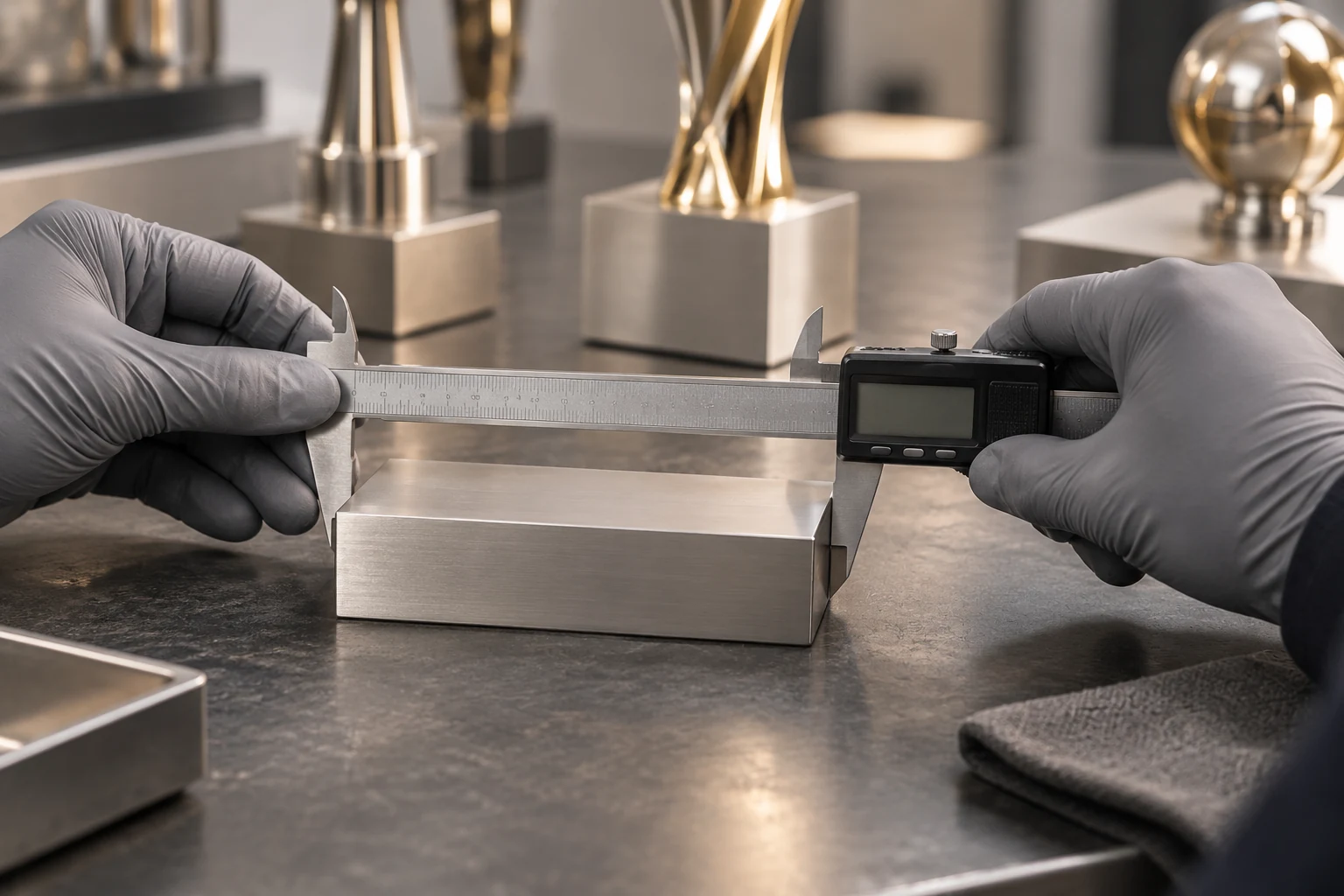
Keep the design and approval record together.
Review material, construction, tooling and surface treatment before agreeing the sample. Record its approved details and outstanding revisions alongside artwork and specifications.
The written proposal sets out sample and tooling fees, freight, revision and credit terms. Order-specific inspection checks use the agreed drawings, specifications and sample.
Useful next steps.
Before you
get started.
Practical details for a clearer project brief.
Which zinc alloy designs are a useful starting point?
Logo awards, relief, textured surfaces and shaped outlines are useful directions. Send the actual geometry and dimensions so detail, structure and production requirements can be assessed.
Does a metallic finish identify the alloy?
Specify the alloy and surface treatment separately. A color reference communicates appearance; the approved material description identifies the base material.
What should we agree about tooling?
Record whether a new tool is needed, its scope, revision charges, ownership or management, reuse conditions and required approvals.
How does quantity affect the quotation?
Initial volume, design versions and repeat quantities help evaluate tooling and unit costs. The quotation states the suitable order quantity and project-specific pricing.
What should a sample confirm?
Agree the shape, dimensions, material, finish, artwork, connections and packing details it represents, then record approval and any revisions.
When should another material be considered?
Compare alternatives when lower weight, transparency, a particular sculptural effect or layered graphic presentation is central to your brief.
Bring the detail.
We’ll review the route.
Share your artwork, dimensions, quantity, finish direction and delivery brief.